Via de' Cerretani 18R, Firenze

Sito in aggiornamento
L'Arte de' Ciompi - L'Artigianato di Firenze
L'Arte de' Ciompi Artigianato di Firenze
HOME
E-SHOP
IDEE REGALO PER..
°
LABORATORIO
CHI SIAMO
CONTATTACI
°
L'ARTIGIANATO ITALIANO
COSA FARE A FIRENZE
COME LEGGERE I TAROCCHI
PINOCCHIO E FIRENZE
°
LAVORA CON NOI
SERVIZI E INFO
ANTICOVID
PAGAMENTI E SPEDIZIONI
CONDIZIONI DI VENDITA, RESI E PRIVACY
°
CERCA
SITEMAP
© 2020 L'Arte de' Ciompi di Susanna Capigatti - L' Arte de' Ciompi - Via de' Cerretani 18r - 50123 - Firenze - IT - p.iva 06925450485 - rea FI-666720
Tel: +39 339 8910460 - Mail: arteciompi@gmail.com - © L'Arte de' Ciompi 2020
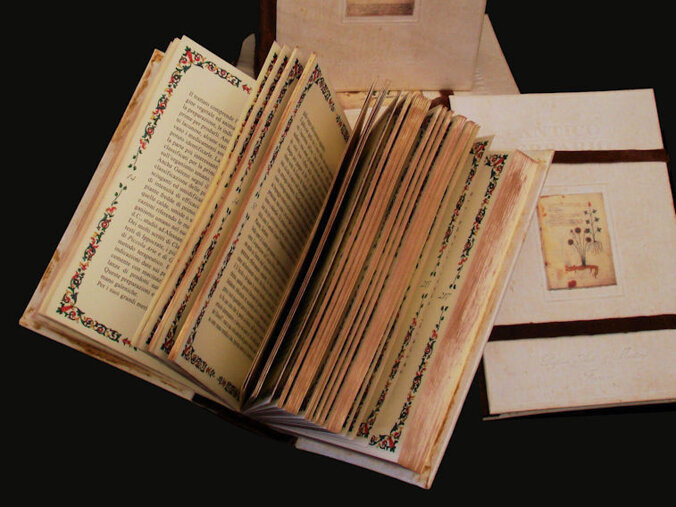
CONTENTS OF THE BOOKS
Re-editions and reproductions of ancient and old Books of the old Italian, Tuscan and European traditions

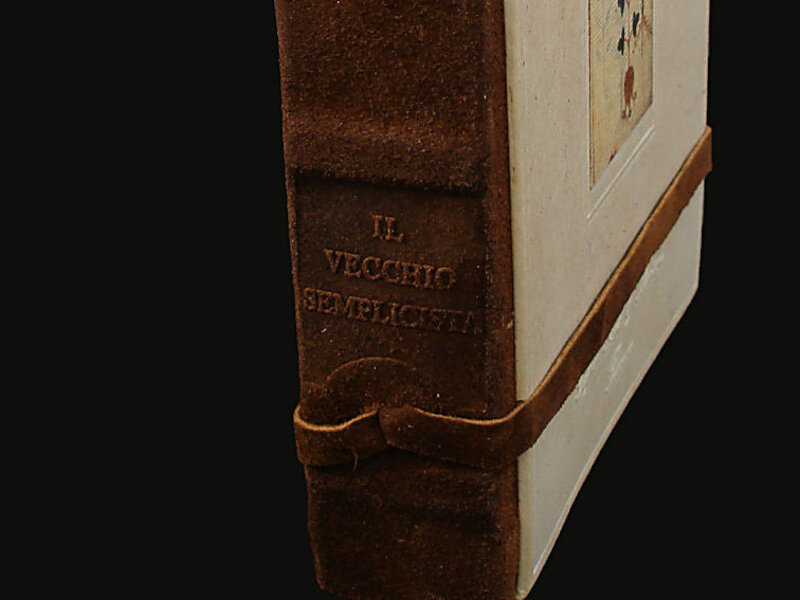
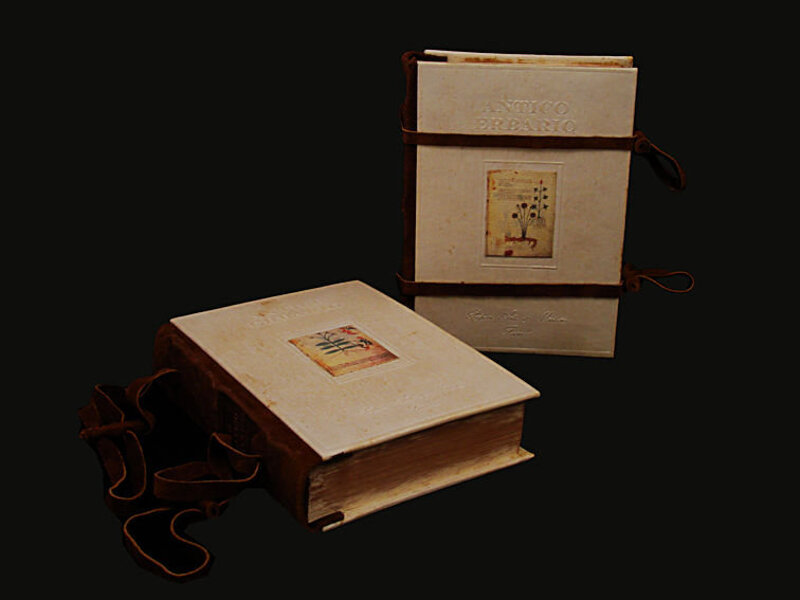
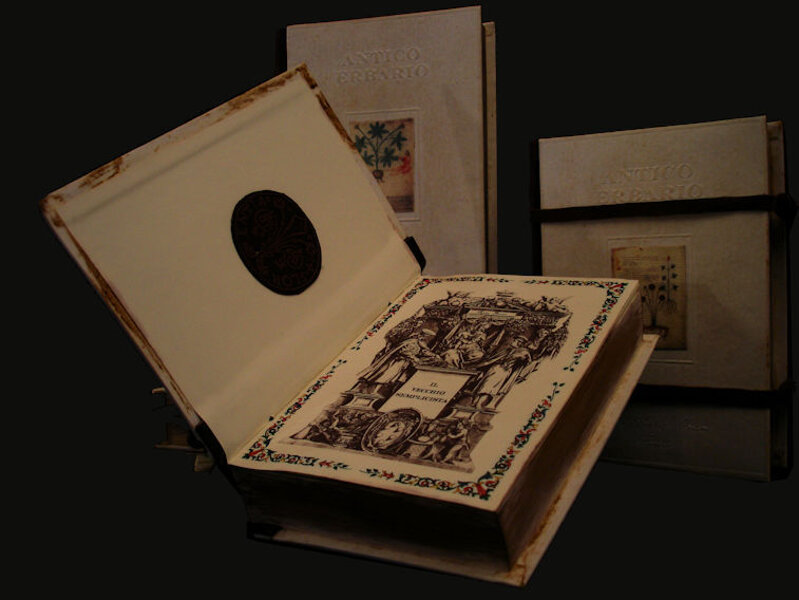
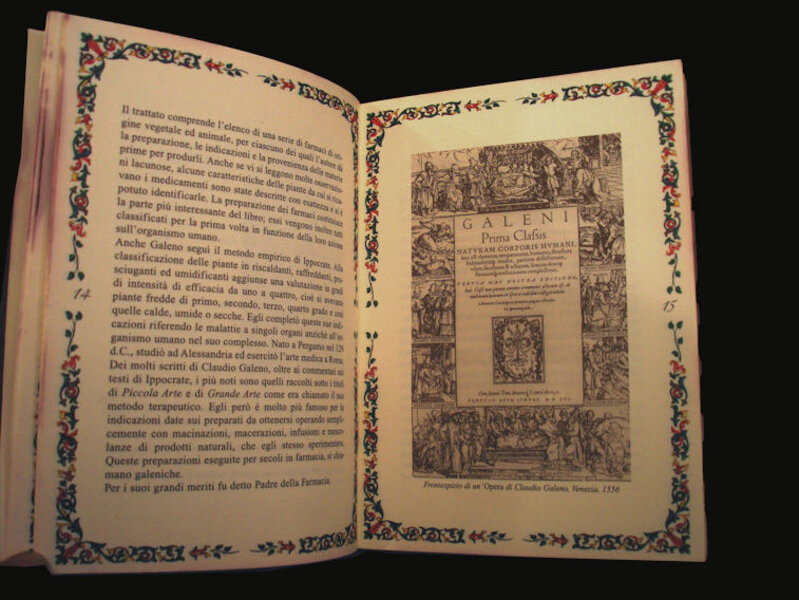
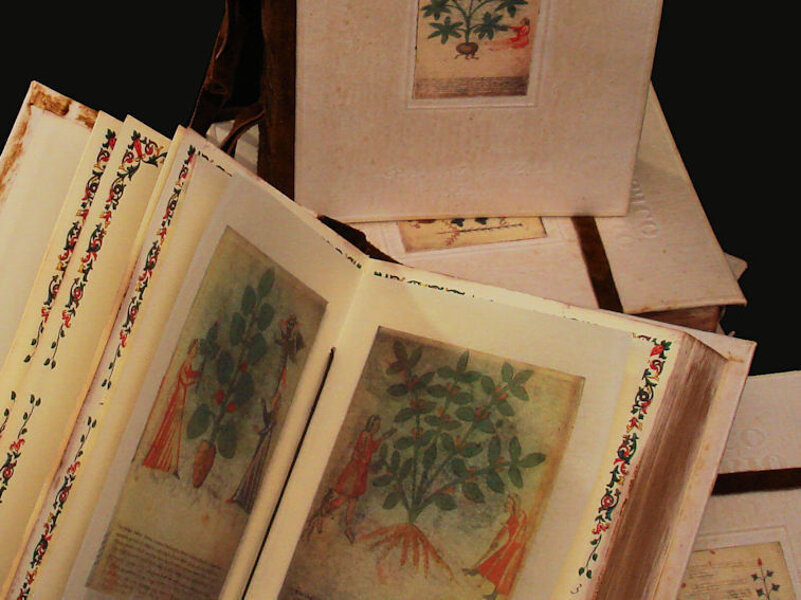
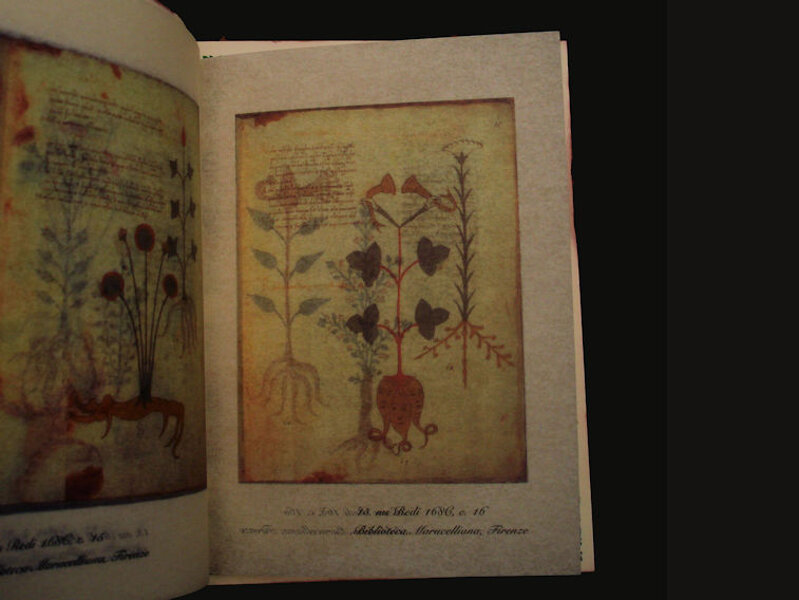
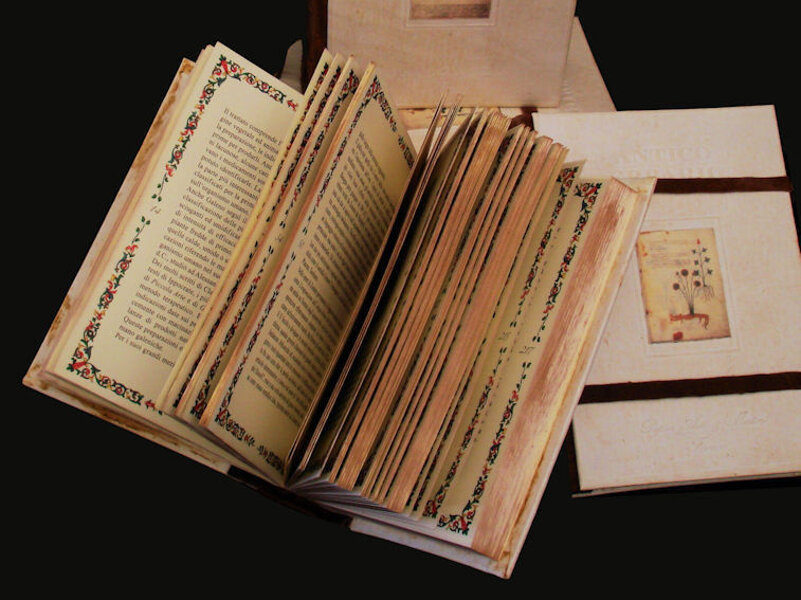
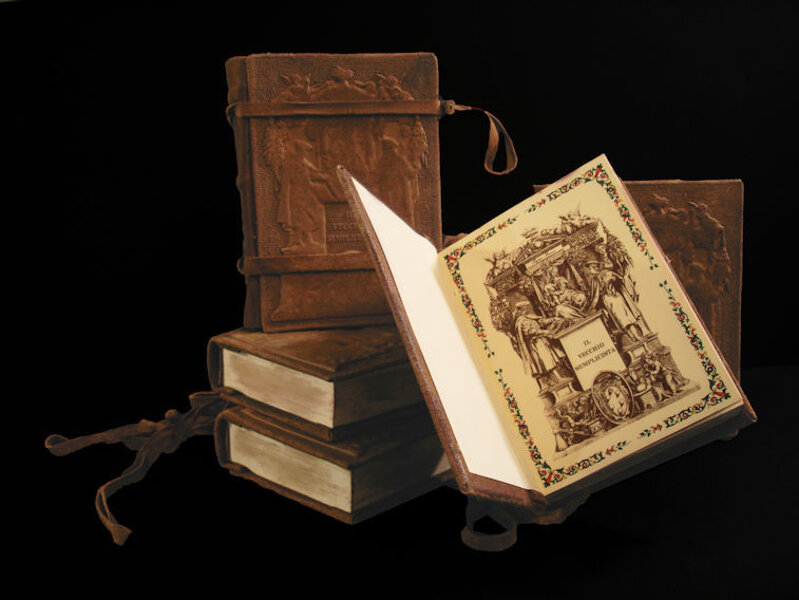
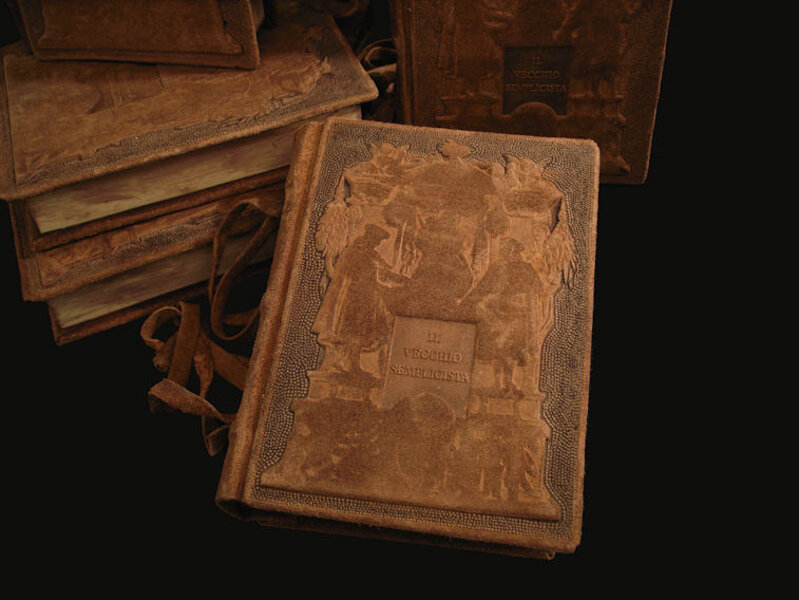
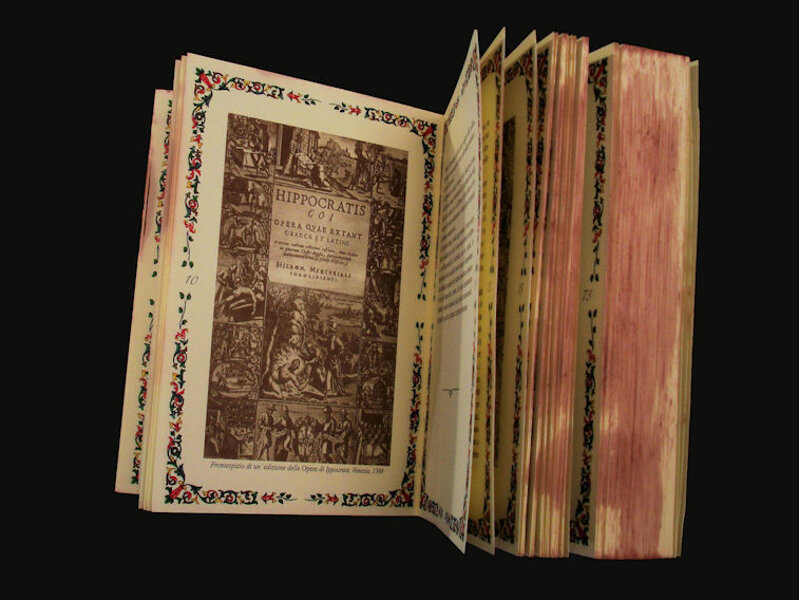
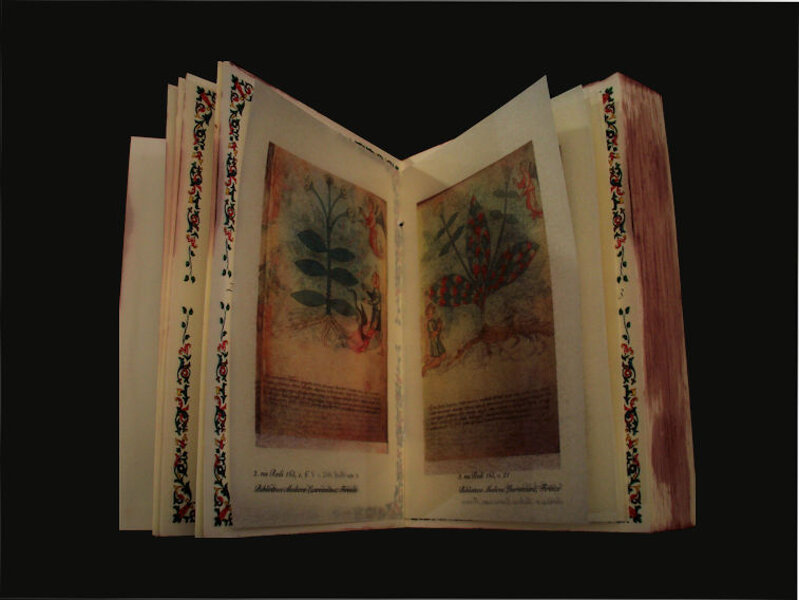
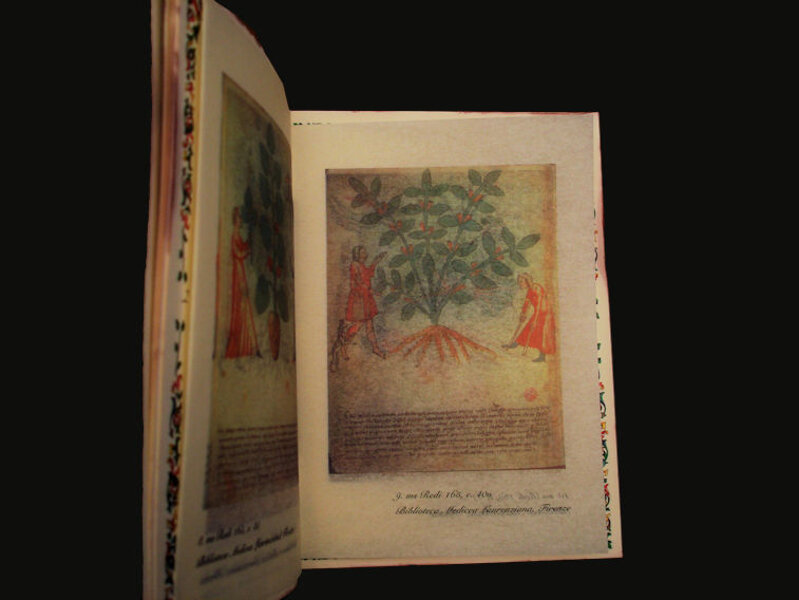
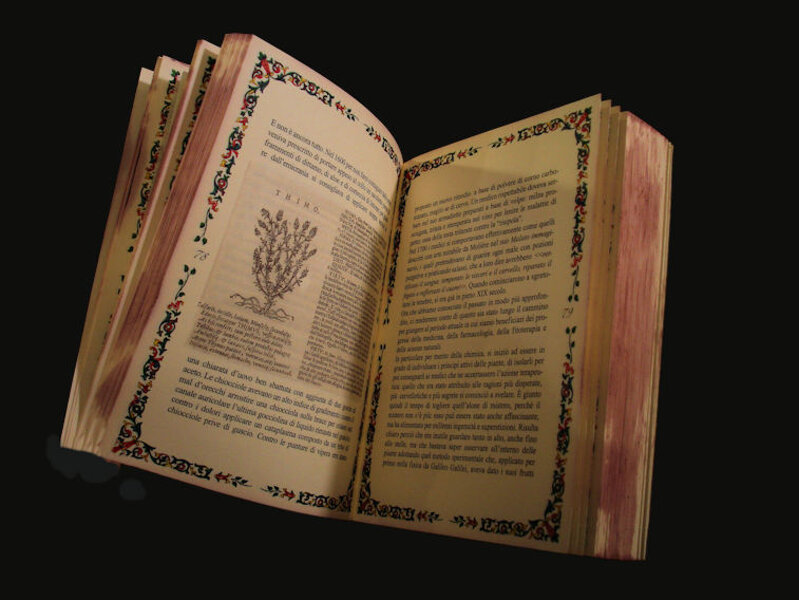
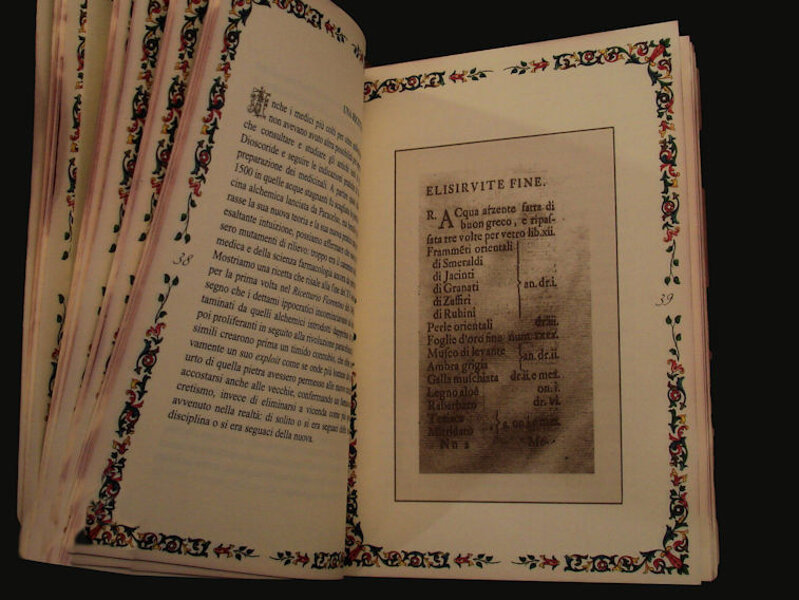
ANCIENT HERBARIUM "THE OLD HERBARIST"
Medicine properties, culinary and medicinal plants, flowers , herbs and roots , from the most common to the rarest, until the poisonous ones, all in italian language. Each one is accompanied by beautiful reproductions of ancient etchings.
The design on the cardboard cover is a miniature of the internal coloured parchment sheets; for the leather book the external pressing is the frontispiece of the Ancient Recipe Book kept at the Science History Museum in Florence.
In the first part you will find informations about the history of medicine since prehistoric times: Shamanism, preludes of Hippocrates, Galen, Benedictine Gardens, Salerno School, up to the Giardino dei Semplici.
Information on schools where the doctor was also a half-sorcerer: Esotericism, the Seven Teachings, the Alchemy of the four elements and other news on The Emerald Table, Numerology, Kabbalah, Green Alchemy.
Old recipes and popular treatments: coughs and colds, acetylsalicide acid, long life elixir with minced magic stones and pure gold.
Inside, the coloured parchments depict some plants in full, with an angel indicating the part of the plant to be used, and at the bottom is the healing purpose of the plant (the Mandragola, for example, hallucinogenic and aphrodisiac plant; but also herbs to treat dog bite, snake bite or chickenpox).
The "Semplicista" of the title was the scholar of medicinal herbs, or rather, of the "simple", the plant varieties with medicinal virtues. In Florence there is the "Giardino dei Semplici" (Simple's Garden), born in 1545 at the will of Cosimo de 'Medici.
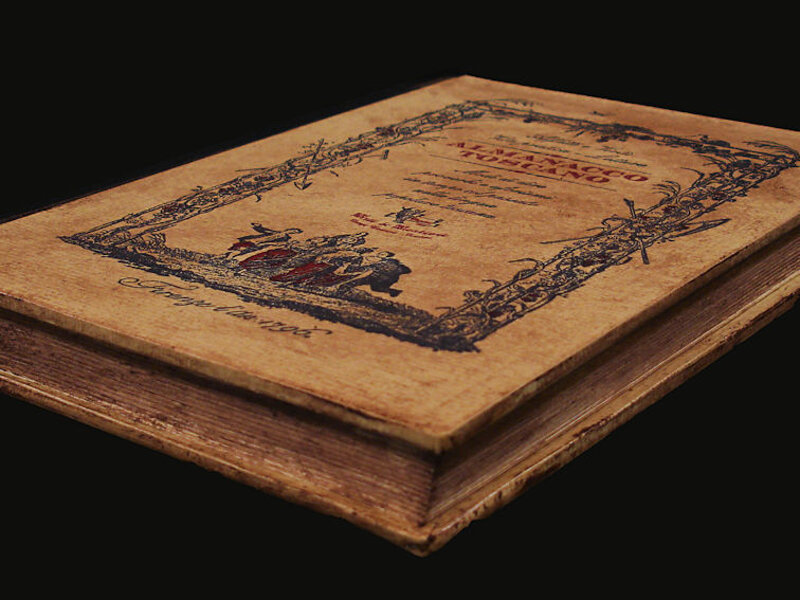
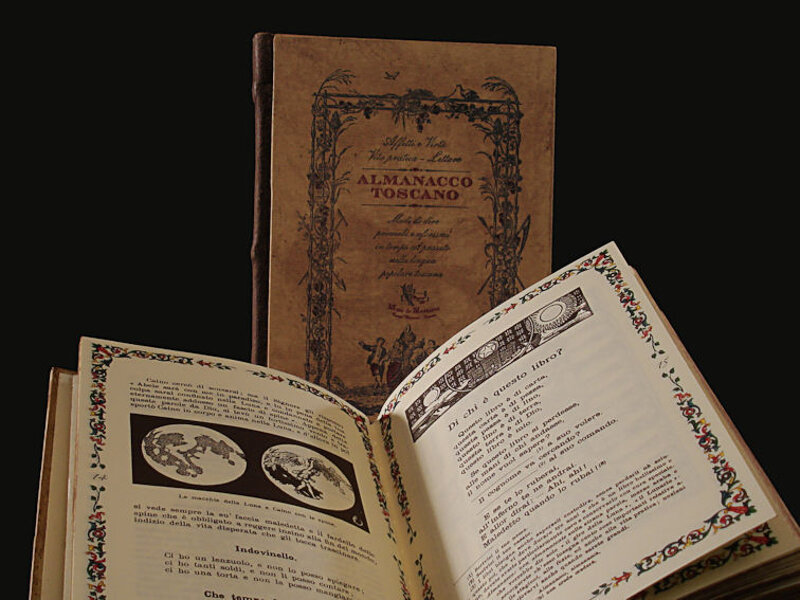
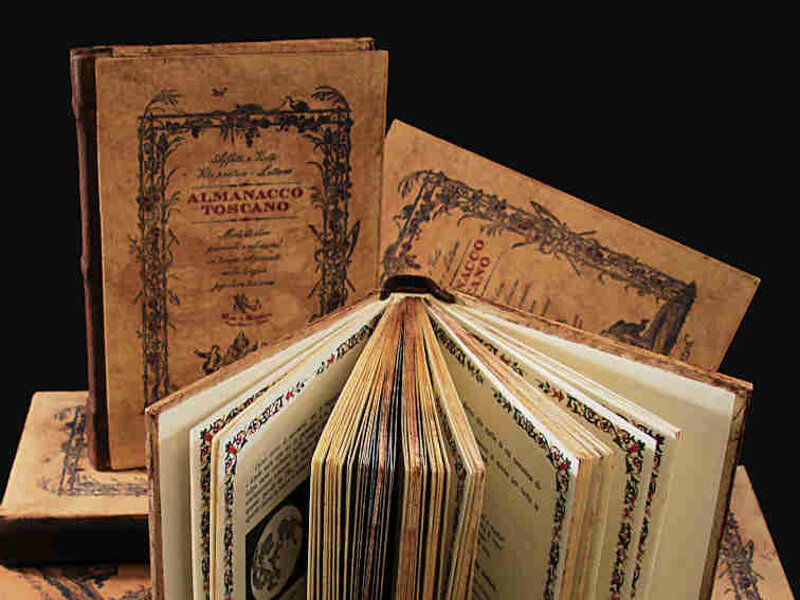
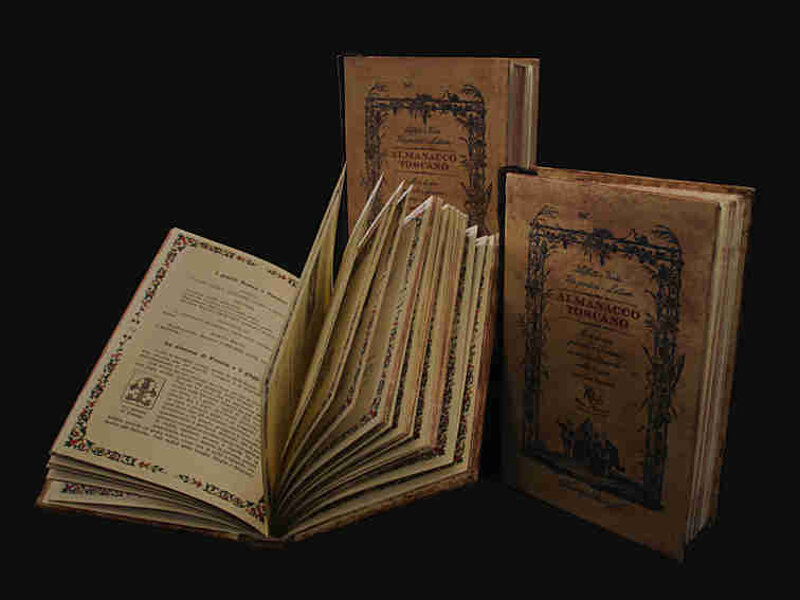
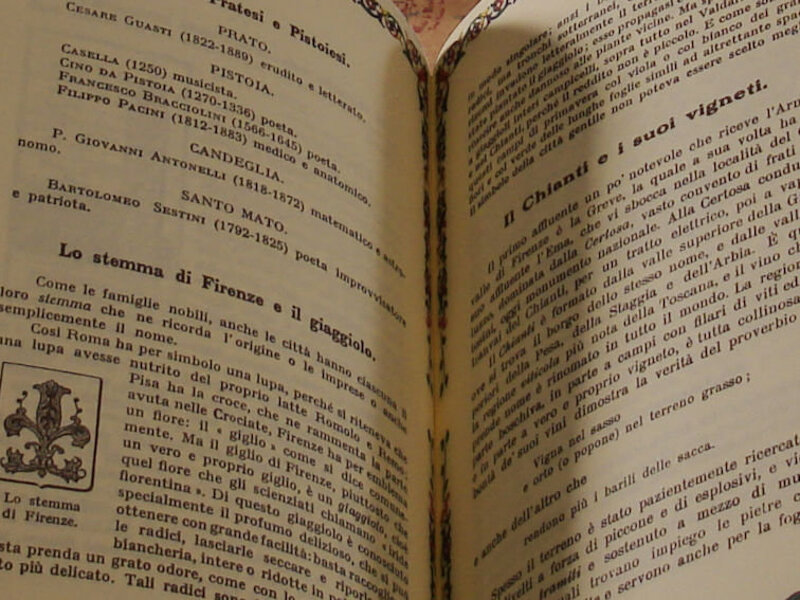
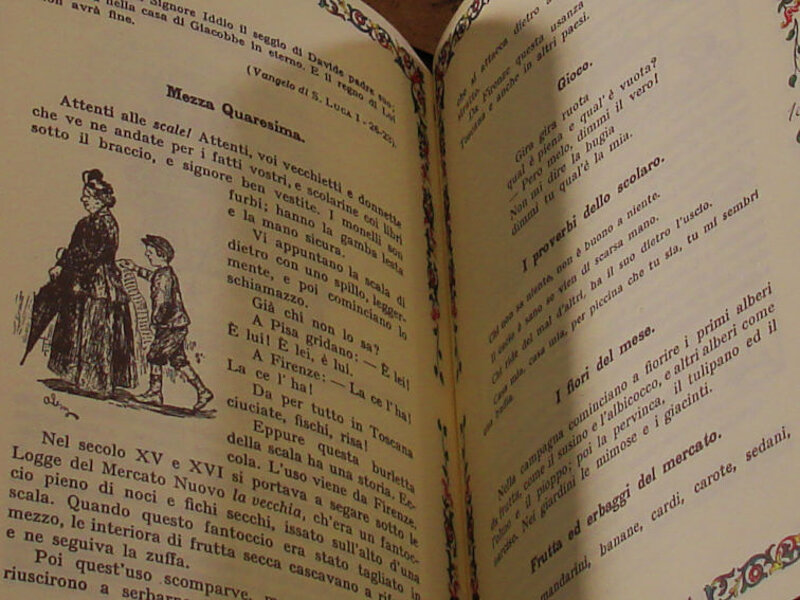
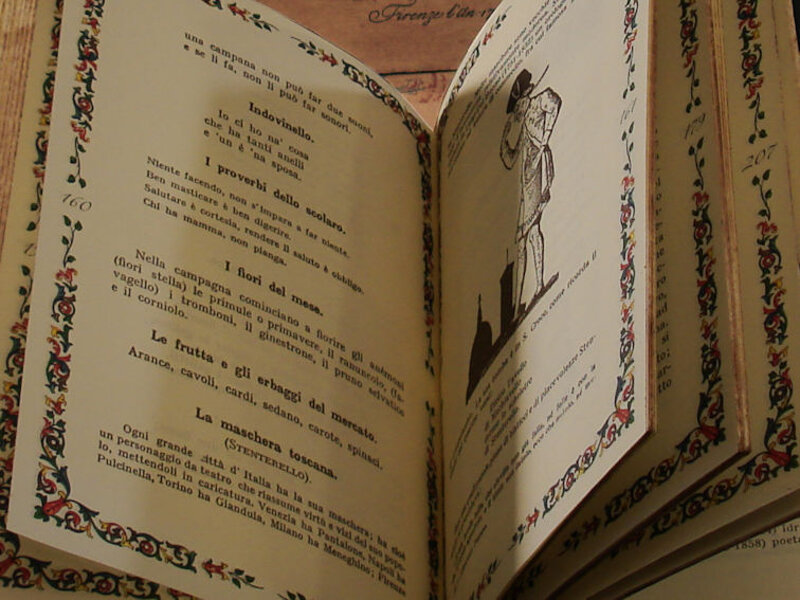
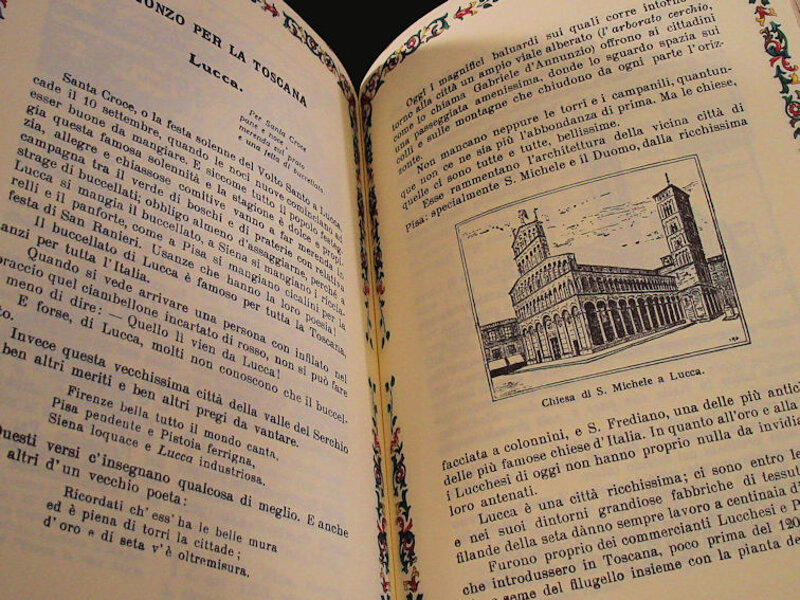
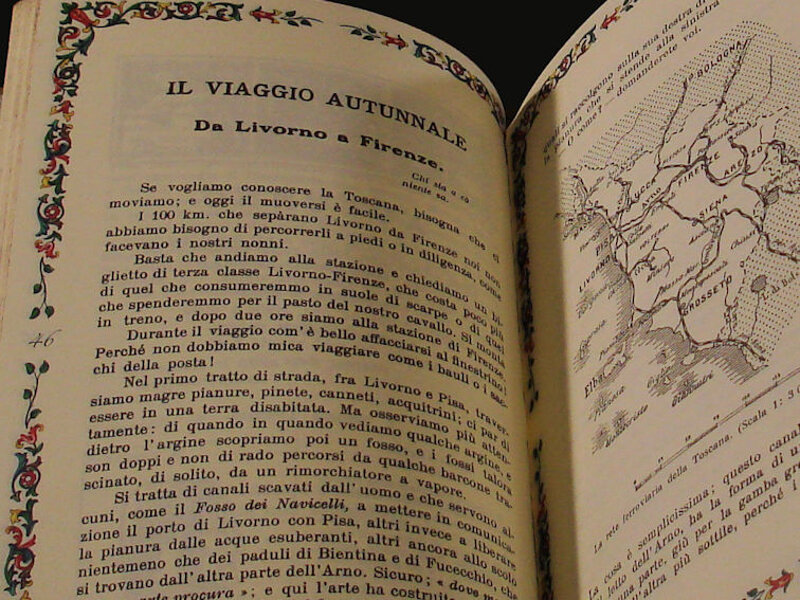
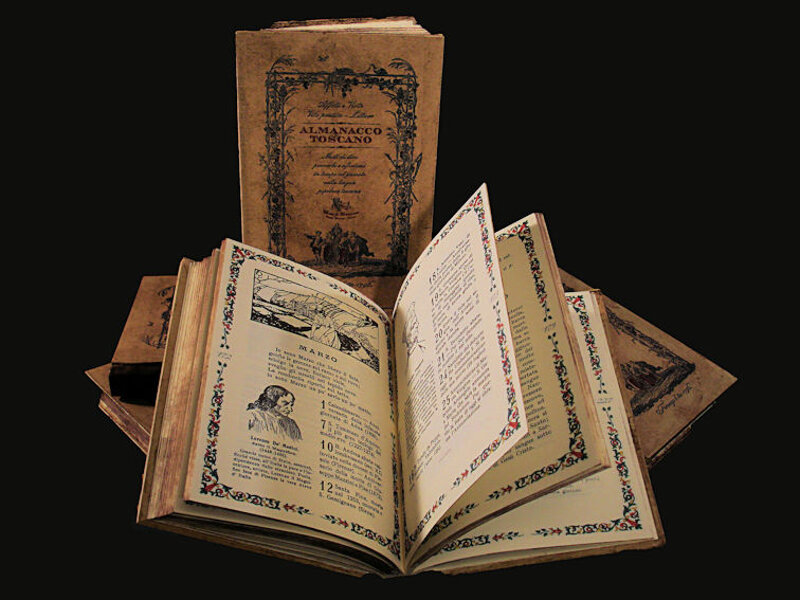
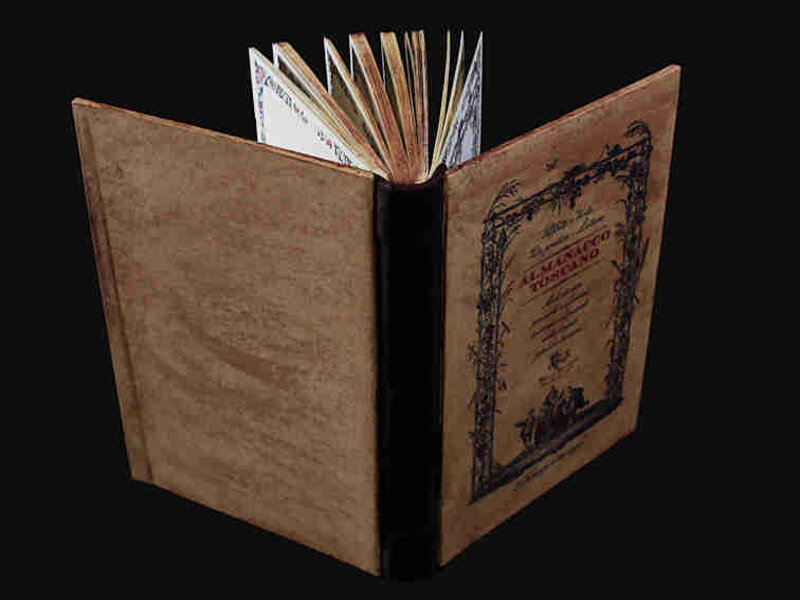
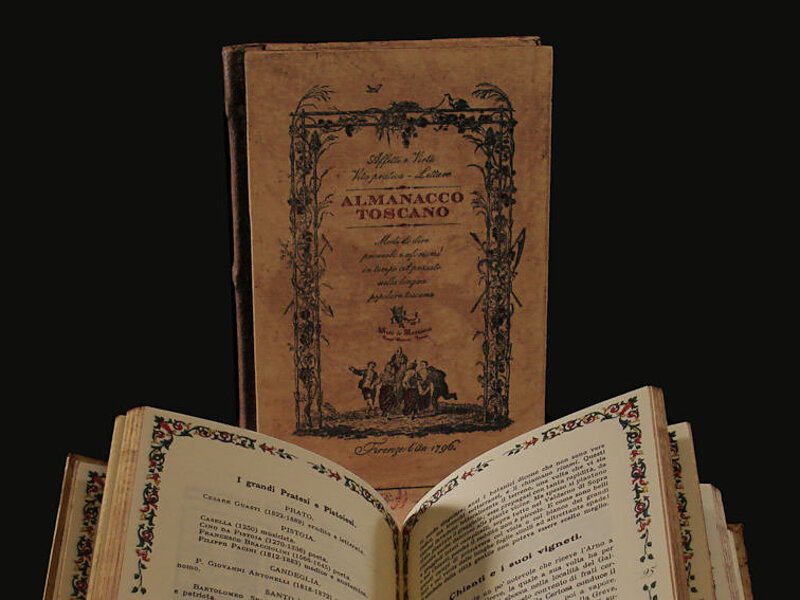

THE TUSCAN ALMANAC
Reprint of the ancient book published in 1796, all in italian language, originally used by children as a reading text and general culture in the State Middle Schools, also known as the Green Booklet, designed to pass on the traditions of the Tuscan land.
It is a very nice collection of idioms, Tuscan nursery rhymes and refrains: each page is a dip into the wisdom of our grandparents. There are also proverbs , songs , riddles of the time and lyrics of the " lullaby " melodies to put the children to sleep.
Each chapter opens with small descriptions of all the cities of the region, from Florence to Pisa to Livorno, with curiosities and ancient traditions , local festivals, periods of harvesting vegetables, dishes and typical foods, famous local characters among painters, inventors and musicians. It can be said that the Tuscan Almanac was the first " Michelin Guide " in history.
Each page is enriched with beautiful reproductions of original ink drawings of the book, which make it a timeless piece of ornament.
Thanks to the simple way of writing, it is a perfect gift for those who want to study italian language, or those who want to test or improve it.
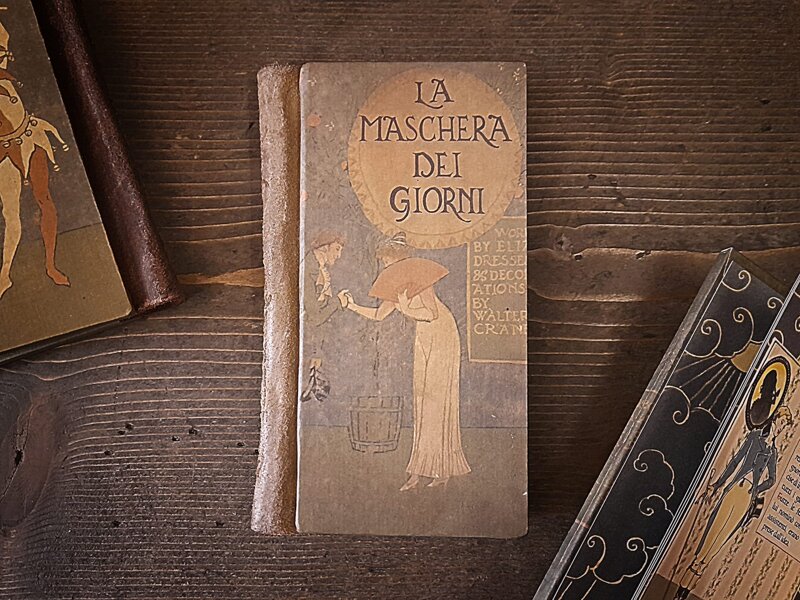
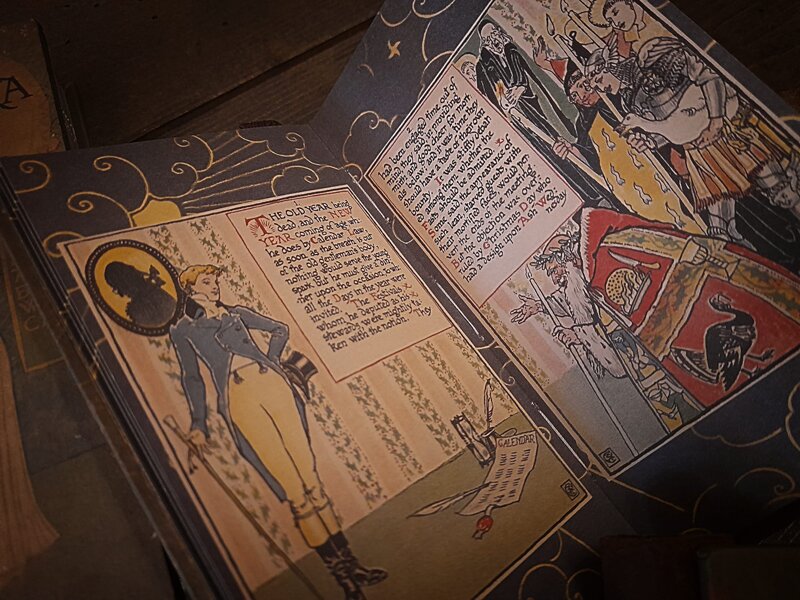

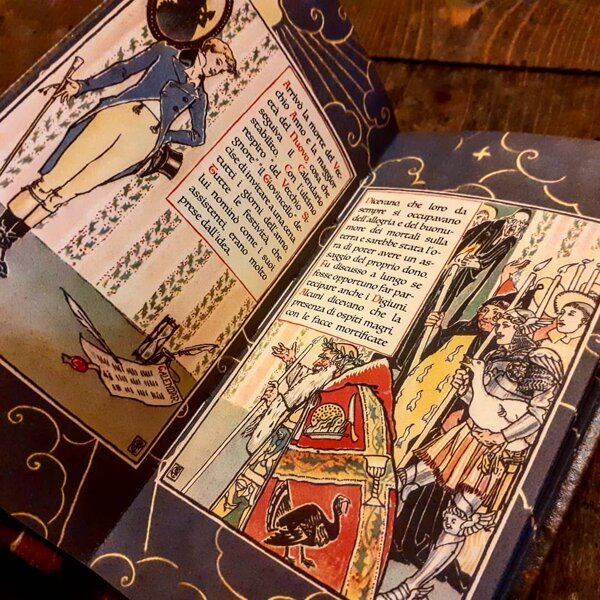
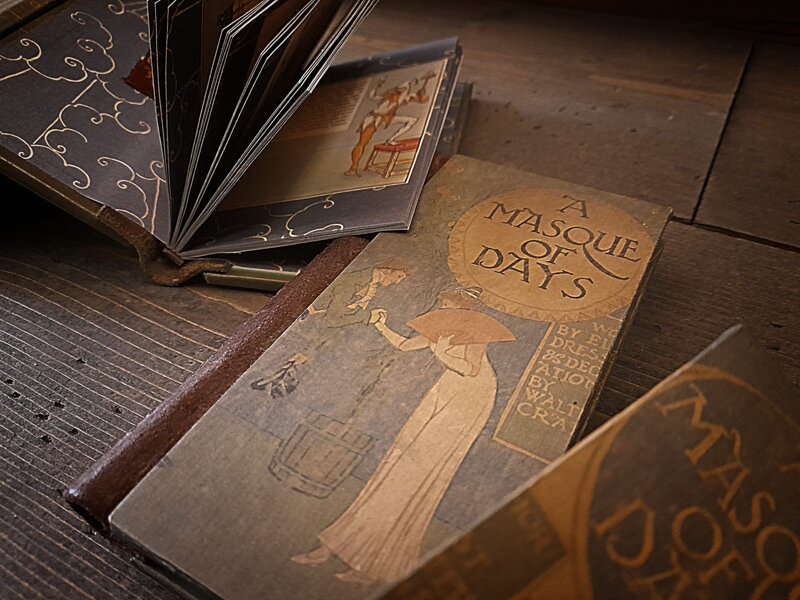
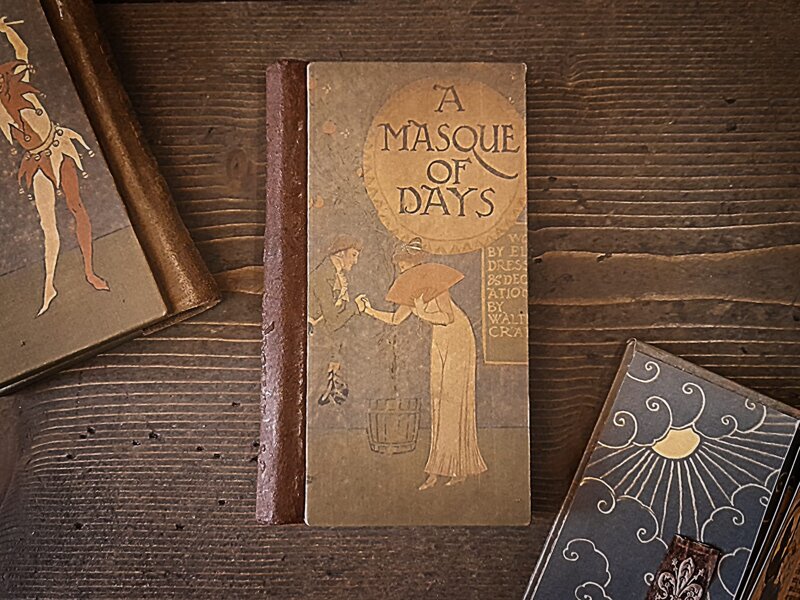
A MASQUE OF DAYS
The text of the book is part of Charles Lamb's "Last Essays of Elia" collection, first published in book form in 1823.
Charles first used the pseudonym Elijah for an essay on the South Sea House, where he had worked decades earlier; Elia was the surname of an Italian who worked there at the same time as Charles, and after that essay the name remained.
The American editions of both the Essays and the Last Essays were published in Philadelphia in 1828. At the time, American publishers were not bound by copyright law and often reprinted materials from English books and periodicals; thus the American collection of the Last Essays preceded its British counterpart by five years.
This book which we reprinted at the time was illustrated by the famous British artist Walter Crane, and was printed in 1901 by the British firm Cassell and Company Limited. On the first pages you will find these references.
The reissue was made both in the original English and in Italian.
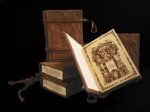
See all the Ancient Style Book
See all the Ancient Style Book
The books are all made with Florentine paper and ancient lithography techniques. The details, ribs or all the upholstery is in Tuscan cowhide leather. The woodpaper components are aged with traditional methods.
For details on how we make our books we have created the pages:
Paper Manufacturing
Paper Manufacturing
Leather Manufacturing
Leather Manufacturing
The Tuscan Almanac is an impeccable gift for history lovers , for those are looking for an original object from Florence and Tuscany .
The Herbarium is a mythical and singular edition suitable in particular for Doctor Herbalist Chemical Naturopath.
The text of an old-style bound and aged book is certainly an elegant homage that can fascinate those who receive it. Unique and unobtainable objects with the charm of the ancient.
L' Arte de' Ciompi - Firenze
HOME
E-SHOP
GIFT FOR..
°
WORKSHOP
ABOUT US
CONTACT US
°
ITALIAN CRAFTS
WHAT TO DO IN FLORENCE
HOW TO READ TAROTS
°
ANTICOVID SERVICES & INFOS
HOW TO PAY ON-LINE
DELIVERY TIME
GENERAL, SALES AND RETURN CONDITIONS
SITEMAP
°
SEARCH
© 2020 L'Arte de' Ciompi di Susanna Capigatti - L' Arte de' Ciompi - Via de' Cerretani 18r - 50123 - Firenze - IT - p.iva 06925450485 - rea FI-666720
Tel: +39 339 8910460 - Mail: arteciompi@gmail.com - © L'Arte de' Ciompi 2020