L'Arte de' Ciompi Artigianato di Firenze
HOME
E-SHOP
IDEE REGALO PER..
°
LABORATORIO
CHI SIAMO
CONTATTACI
°
L'ARTIGIANATO ITALIANO
COSA FARE A FIRENZE
COME LEGGERE I TAROCCHI
PINOCCHIO E FIRENZE
°
LAVORA CON NOI
SERVIZI E INFO
ANTICOVID
PAGAMENTI E SPEDIZIONI
CONDIZIONI DI VENDITA, RESI E PRIVACY
°
CERCA
SITEMAP
© 2020 L'Arte de' Ciompi di Susanna Capigatti - L' Arte de' Ciompi - Via de' Cerretani 18r - 50123 - Firenze - IT - p.iva 06925450485 - rea FI-666720
Tel: +39 339 8910460 - Mail: arteciompi@gmail.com - © L'Arte de' Ciompi 2020

Via de' Cerretani 18R, Firenze arteciompi@gmail.com
L'Arte de' Ciompi Artigianato di Firenze
HOME
E-SHOP
IDEE REGALO PER..
°
LABORATORIO
CHI SIAMO
CONTATTACI
°
L'ARTIGIANATO ITALIANO
COSA FARE A FIRENZE
COME LEGGERE I TAROCCHI
PINOCCHIO E FIRENZE
°
LAVORA CON NOI
SERVIZI E INFO
ANTICOVID
PAGAMENTI E SPEDIZIONI
CONDIZIONI DI VENDITA, RESI E PRIVACY
SITEMAP
© 2020 L'Arte de' Ciompi di Susanna Capigatti - L' Arte de' Ciompi - Via de' Cerretani 18r - 50123 - Firenze - IT - p.iva 06925450485 - rea FI-666720
Tel: +39 339 8910460 - Mail: arteciompi@gmail.com - © L'Arte de' Ciompi 2020
Curiosità sulle Immagini Storiche ed i Simboli Antichi
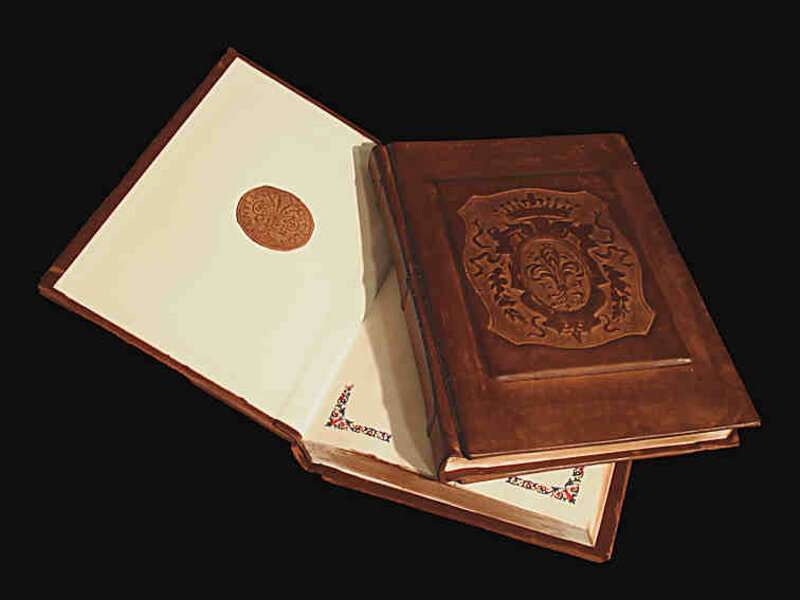
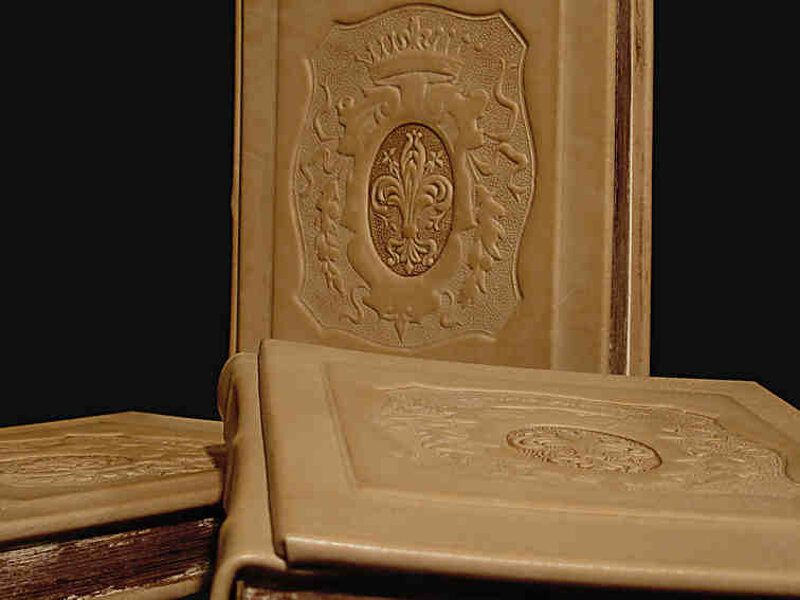
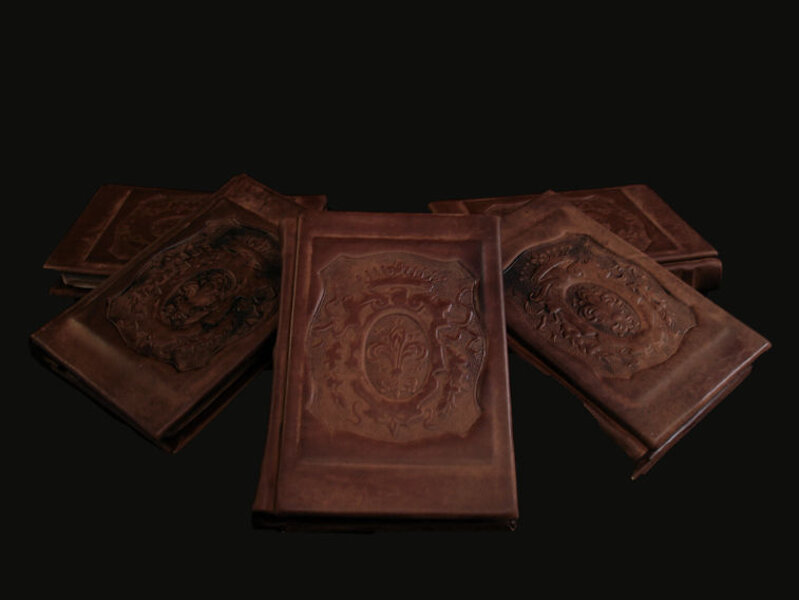
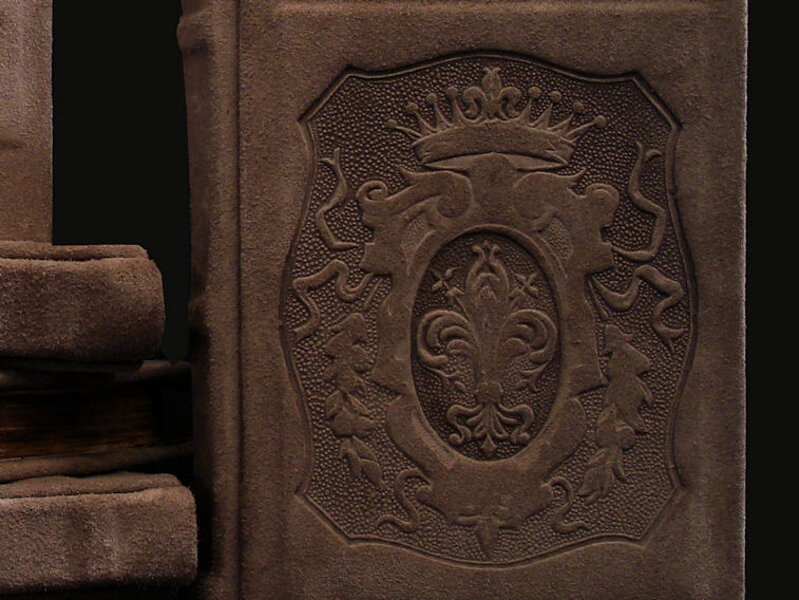
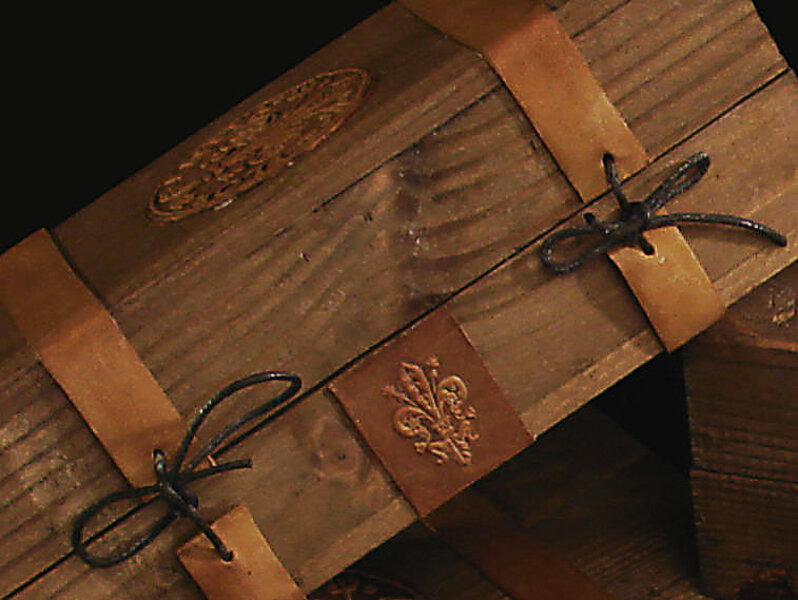
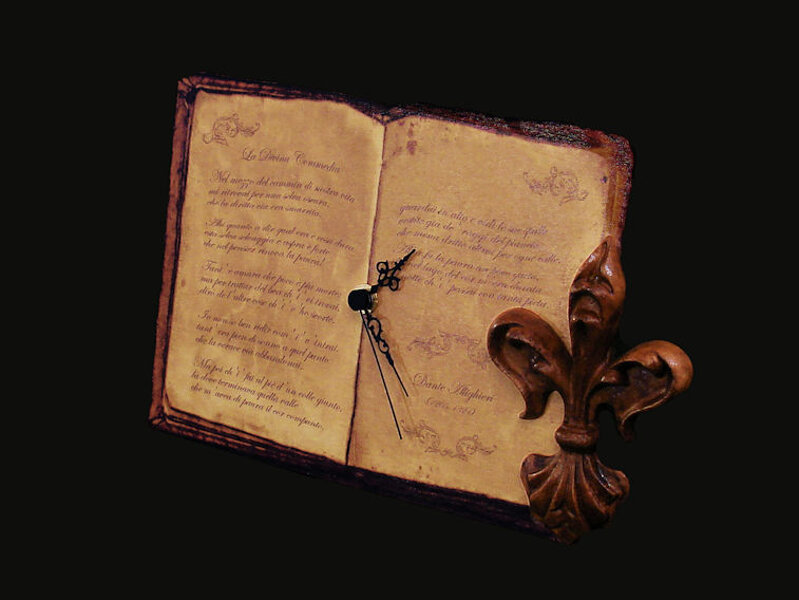
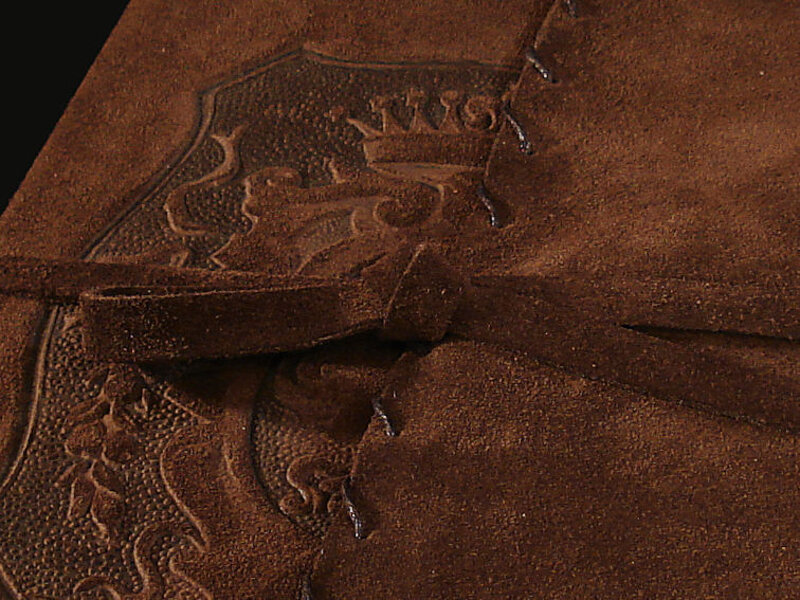
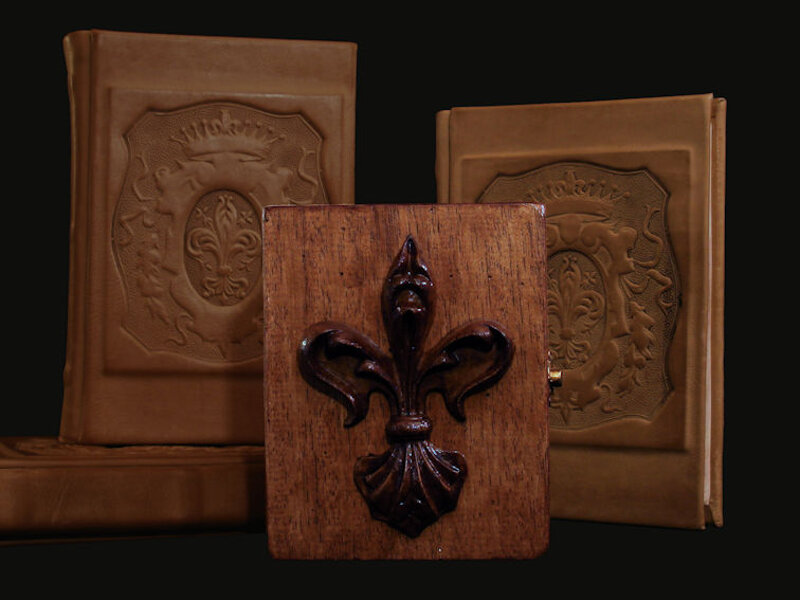

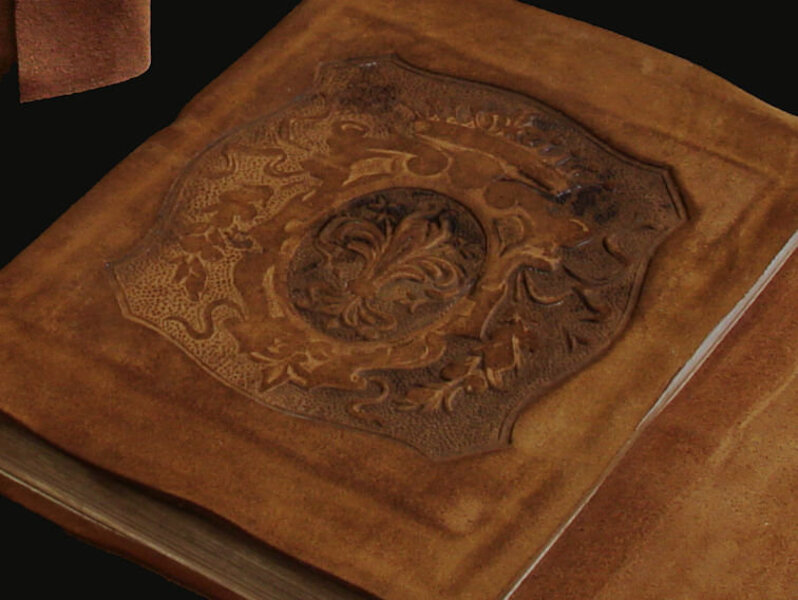
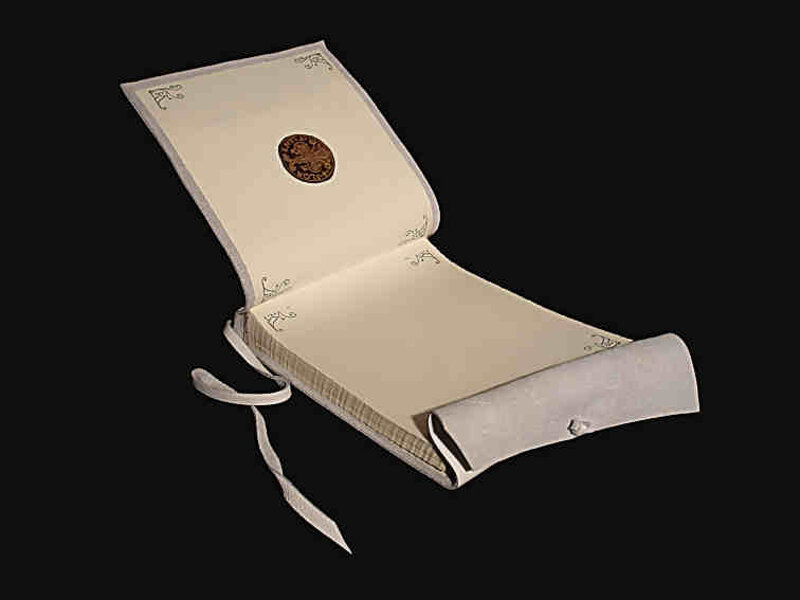
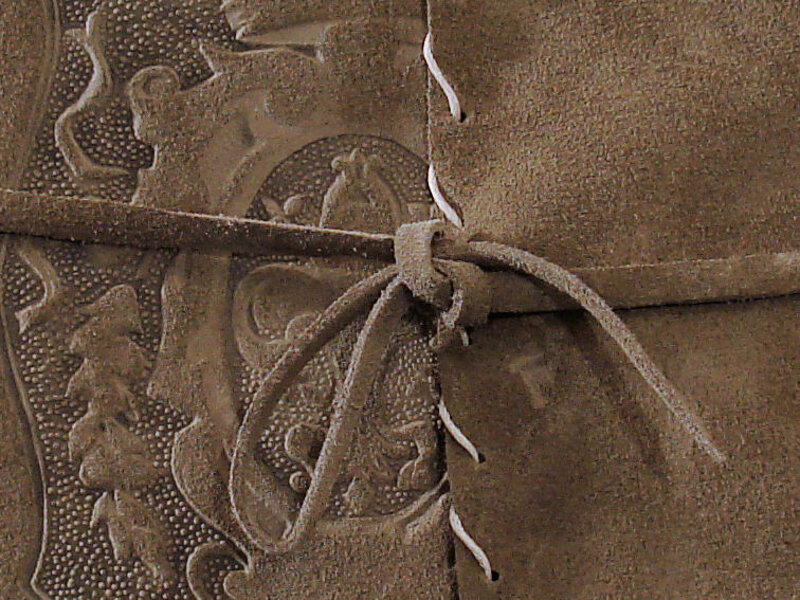
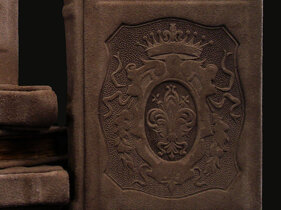
Il Giglio di Firenze
Il famoso simbolo della città impreziosito dalla corona e dalle foglie di acanto, versione coniata nel periodo di Firenze Capitale 1865-1871. Questa immagine è riprodotta con il negativo in bronzo e marchiato a fuoco sulle pelli. Prodotti con questo simbolo: Cofanetto, Orologio Dante, Quaderno morbido, Quaderno rigido, Cover quaderno.
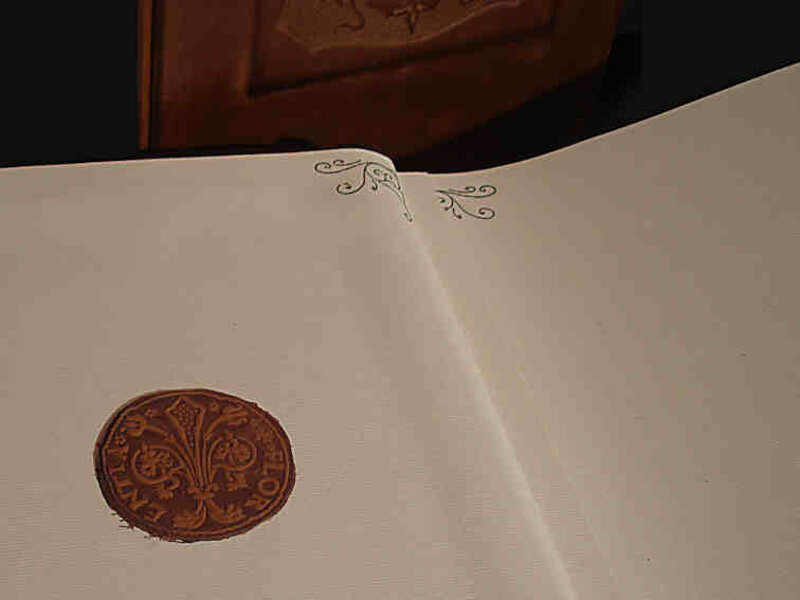
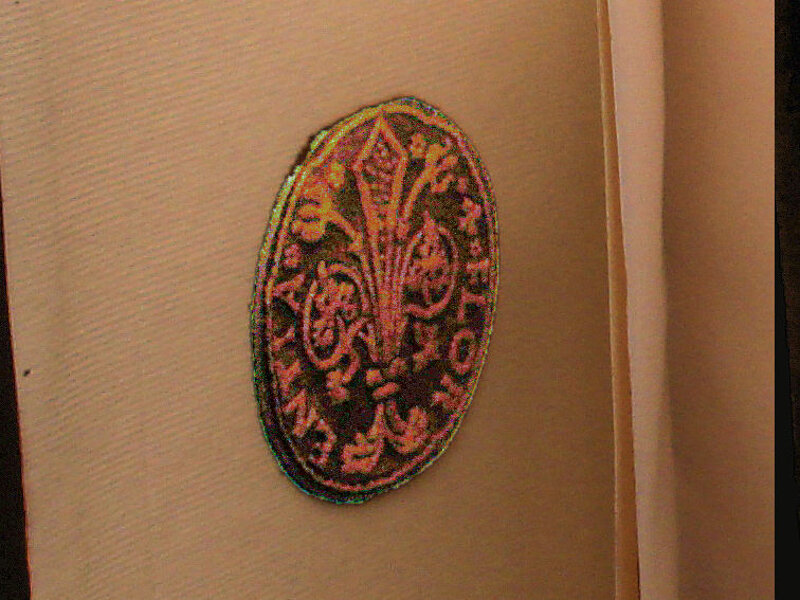
Il Fiorino fiorentino
Il Fiorino fu la moneta d'oro nata nella città di Firenze dopo la caduta dell'Impero Romano, e fu anche usata dal 1200 fino al Rinascimento come moneta di scambio preferita in Europa.
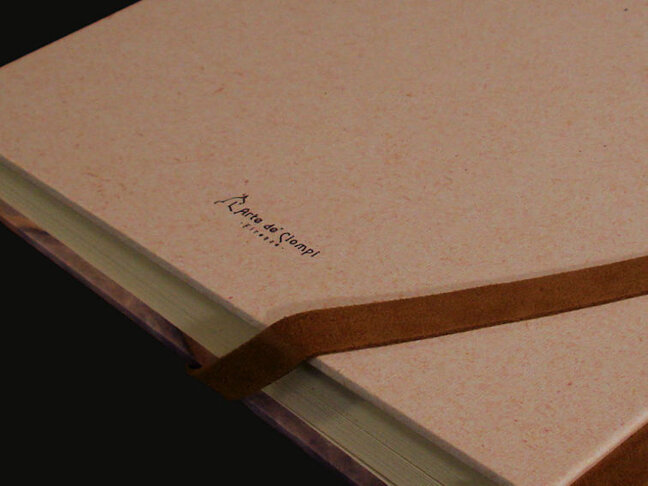
Abbiamo creato le targhe poste sull'interno dei Quaderni morbidi e rigidi e sul coperchio del Cofanetto Grafite.
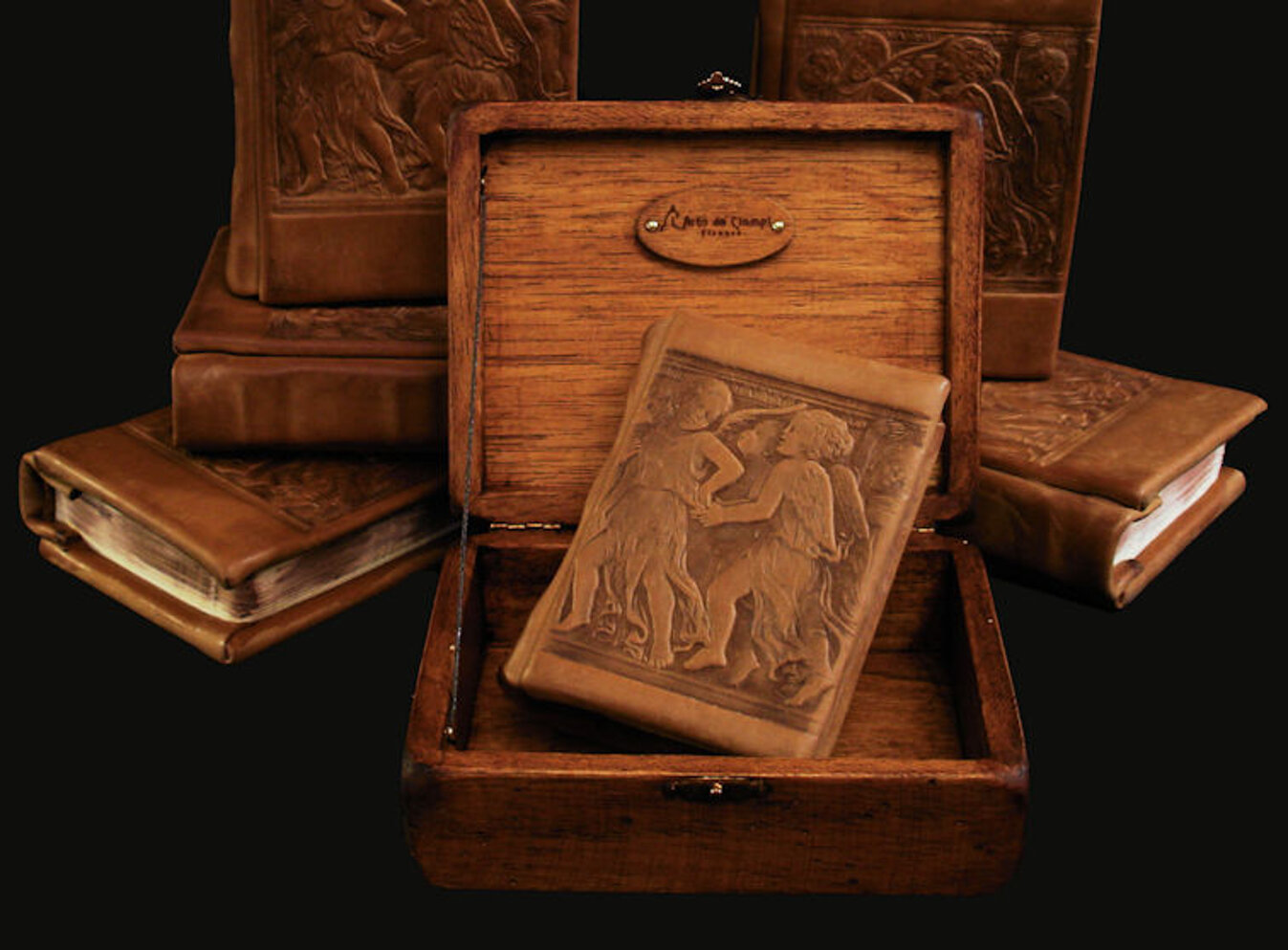
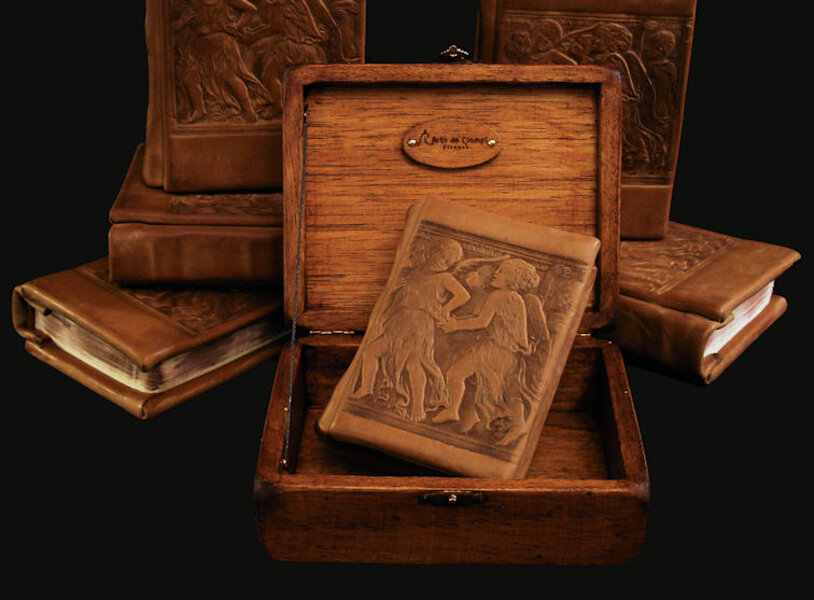
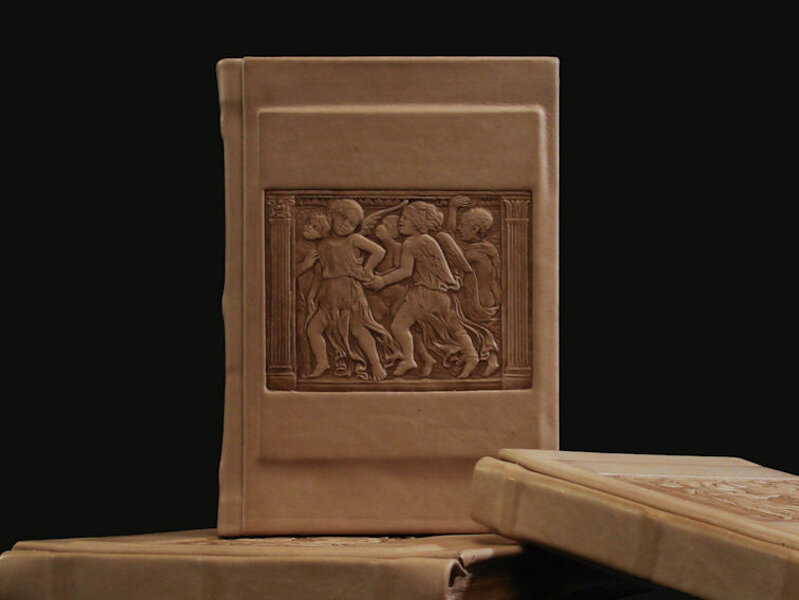
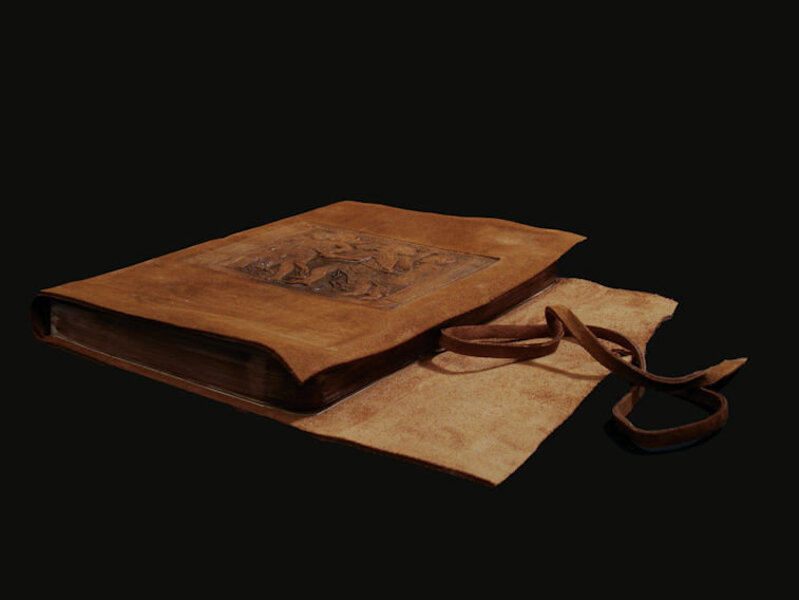
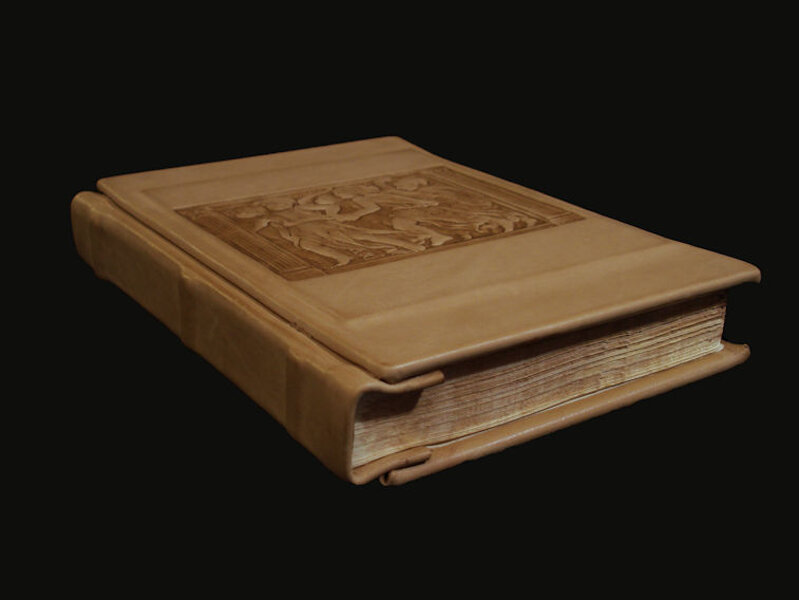
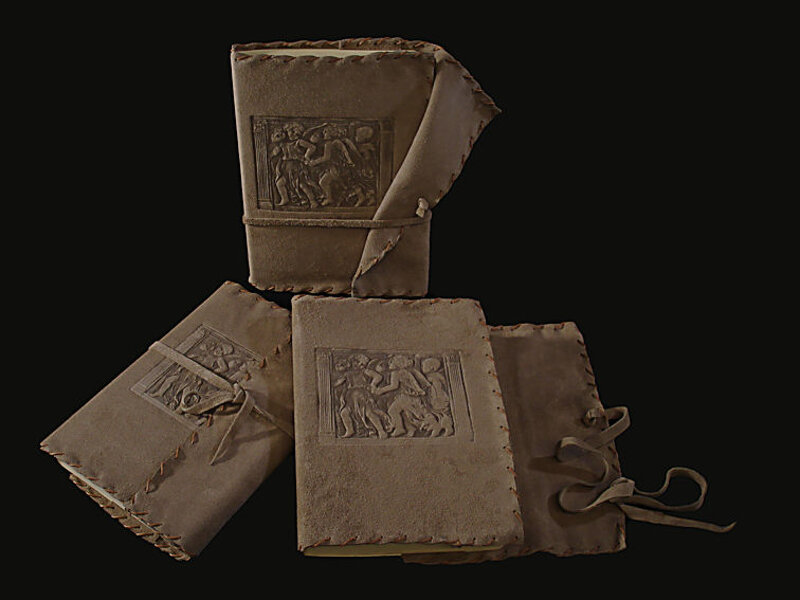
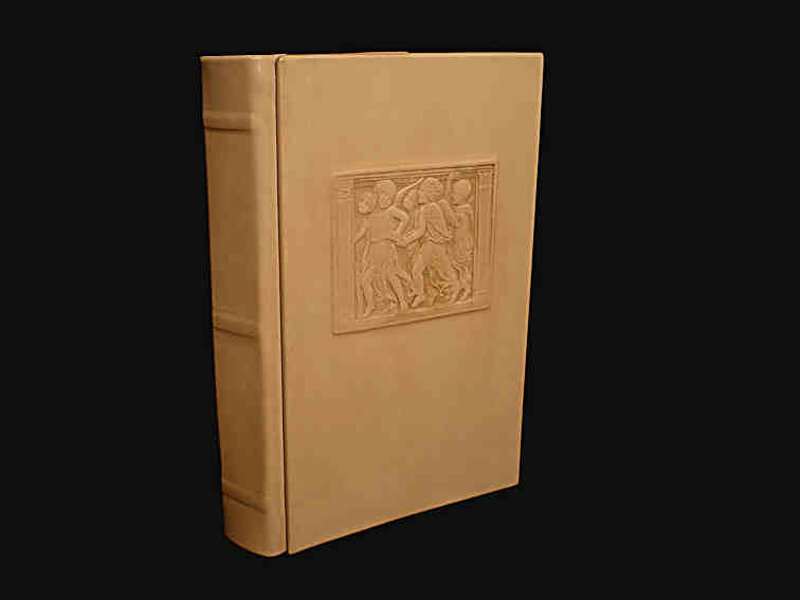
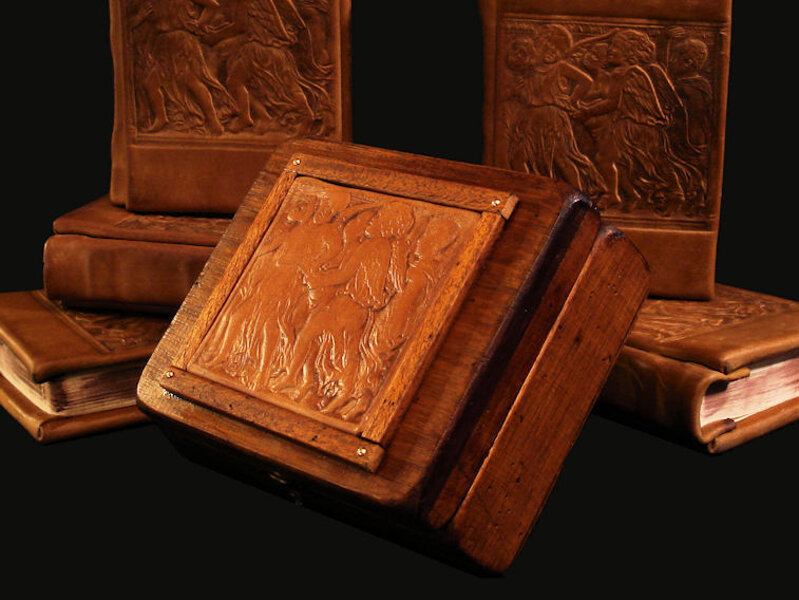
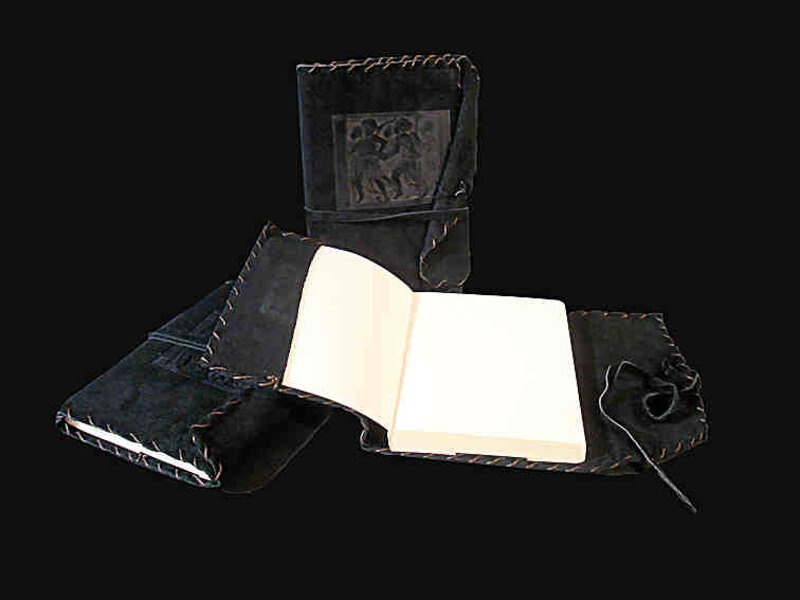
Il Ballo degli Angeli
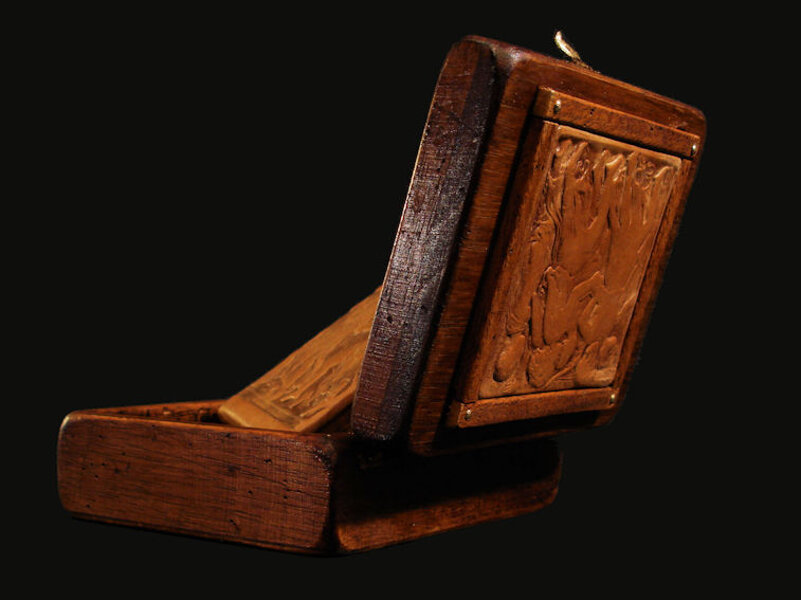
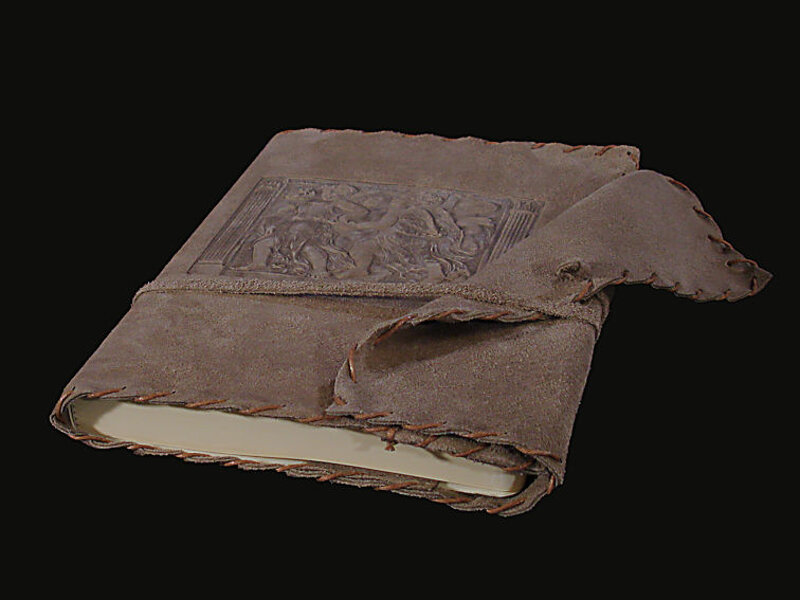
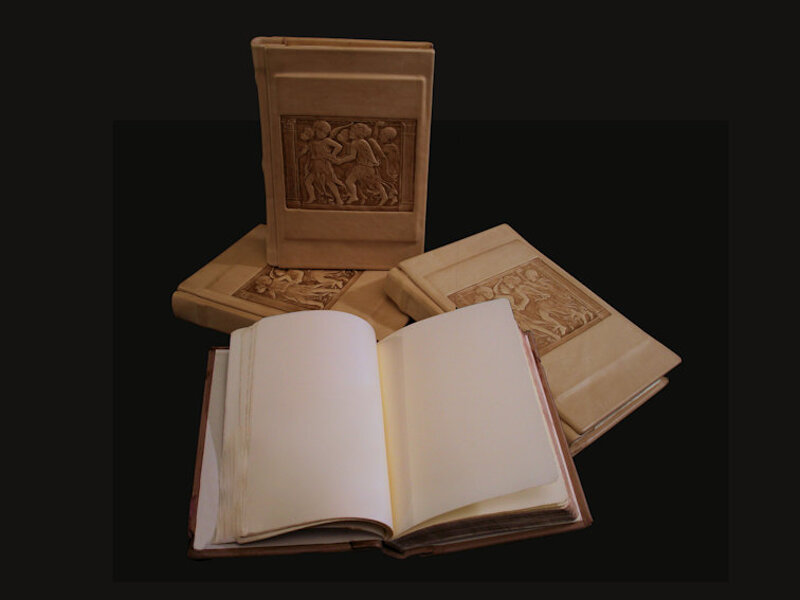
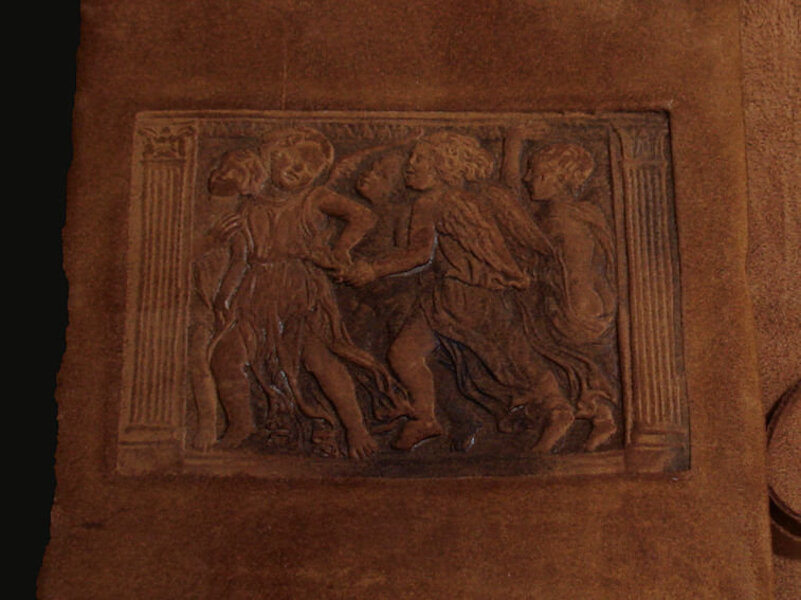
Immagine impressa con l’utilizzo di stampo di bronzo e di un’antica pressa a caldo del 1800, riproduce il “Ballo degli Angeli” o “Ballo della Farandola”.
E' un ballo collettivo molto in voga nel tardo Medioevo , allegro e brillante dove i festanti saltellano con piccoli passi a ritmo di musica tenendosi per mano. L'immagine rappresenta il ballo di festa tipico della città di Prato eseguito da una folla di giovani Angeli felici in occasione della ostensione della sacra "Cintola della Vergine Maria" conservata al Museo dell’ Opera de Duomo di Prato.
Il bassorilievo e' il primo a sinistra di 7 nella decorazione del pulpito del Duomo di Prato ed e' stato eseguito su marmo da Donatello (vissuto a Firenze 1386-1486 durante il Rinascimento) Da questo pulpito tutti gli anni avviene l' ostensione della reliquia della “Cintola della Vergine” culto e simbolo alla città di Prato.
La vita che emerge e sprizza dalla gentilezza e grazia di questa immagine si trasmette e ne fate dono regalando uno dei nostri articoli che la riproduce. Un articolo con questa immagine così armoniosa e spirituale è ideale per omaggiare una nascita o unione. Impeccabile per regalo a persone di ambiente religioso o comunque spirituale.
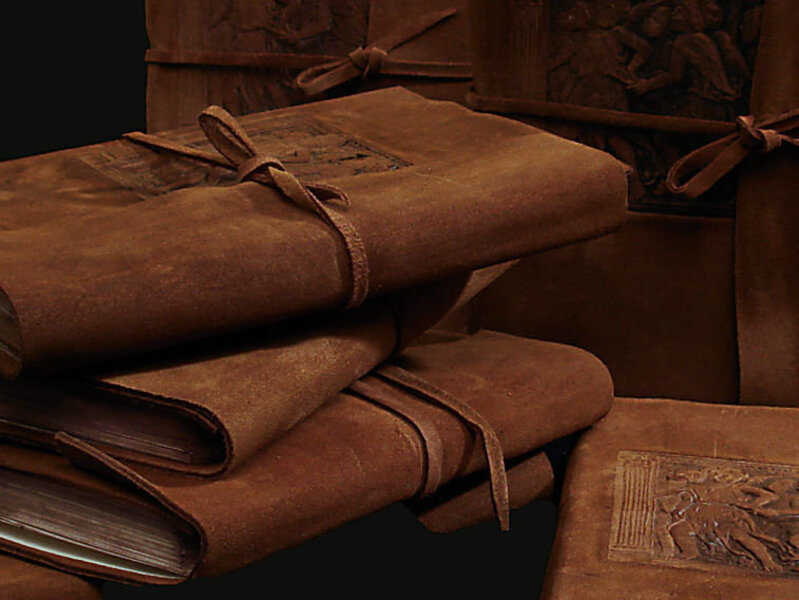
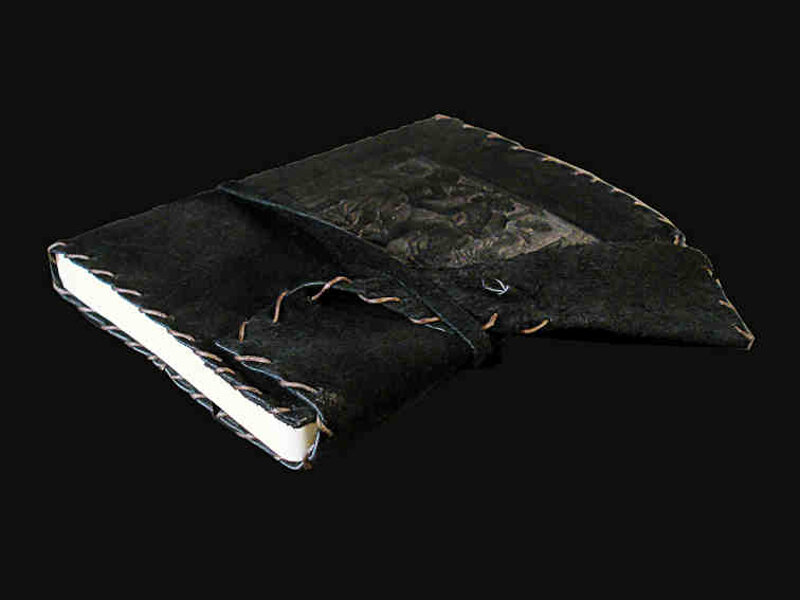
Articoli: Cofanetto, Quaderno morbido, Quaderno rigido, Cover quaderno.
I Tarocchi Marsigliesi
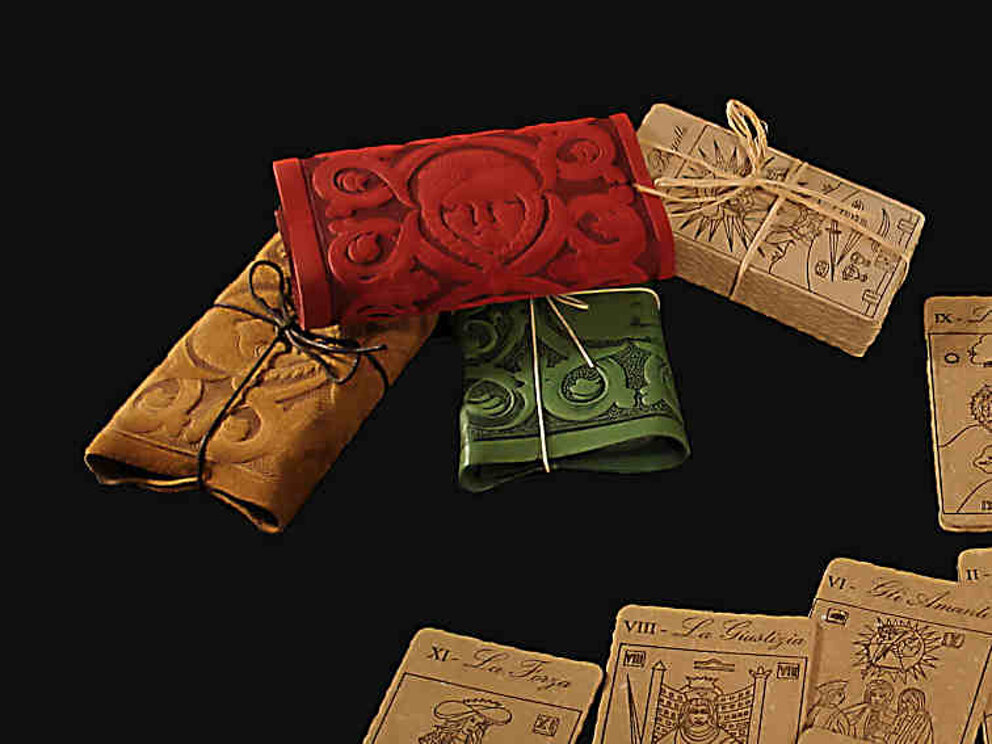
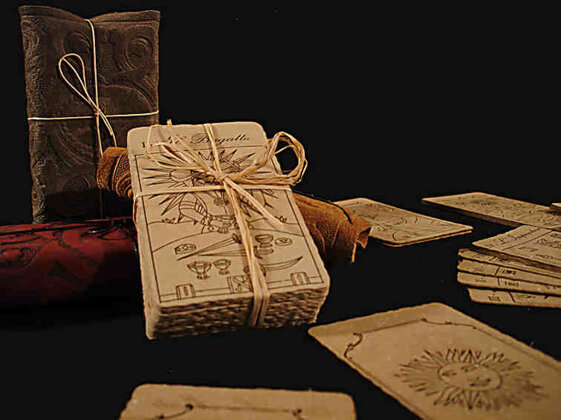
I Tarocchi Marsigliesi sono una tipologia di Tarocchi "standard". Non si hanno dati certi sulla loro nascita, forse arrivati dalle mani dei soldati egiziani intorno al '400, forse aggiunti alle carte italiane in semi classici già esistenti. Sicuramente nel 1760 l'artigiano Nichola Conver di Marsiglia produsse alcuni mazzi di suo design, basati su quelli già in circolo fin dal 1400, stampandoli con un'incisione in legno e colorandole a mano. Da lui risale il nome "marsigliesi" o "di marsiglia", ma vengono così conosciuti solo all'inizio del 1900, quando Paul Marteu, direttore dell'editoria di carte da gioco Grimauld, lo usò questo nome per un mazzo di carte pubblicato per usi esoterici e basato sullo schema di quelli prodotti dall'artigiano.

I Tarocchi "Sola Busca"
Le immagini sono le originali della collezione “Sola Busca”, una serie di Tarocchi creata nel 1491, il più antico mazzo completo esistente al mondo composto da 64 Arcani Minori, disegnato e dipinto da anonimi pittori dell’epoca.
Sola-Busca e' la famiglia che ne e' stata ultimo proprietario, e che donò il mazzo alla biblioteca alla fine del 1800 dopo decine di anni di passaggi da mano a mano negli ambienti ecclesiastici.
La serie è composta da 78 carte: 22 “trionfi” e 56 carte dei quattro semi tradizionali italiani (denari, spade, bastoni e coppe): originariamente erano stampe su carta da incisioni a bulino, che furono poi miniate con colori a tempera e oro. Le nostre sono invece stampe litografiche tagliate meccanicamente a fustella e protette da una plastificazione opaca, dettagli che riproducono l'effetto della carta antica.
Le immagini più tradizionali dei “trionfi” quattrocenteschi sono sostituite da figure di guerrieri dell’antichità romana ed eroi della storia biblica. Le carte numerali, in genere riservate alla sola riproduzione dei quattro semi, sono arricchite da figurazioni molto complesse, la qual decifrazione ha permesso di interpretare il mazzo come viva testimonianza del sapere alchemico-ermetico.
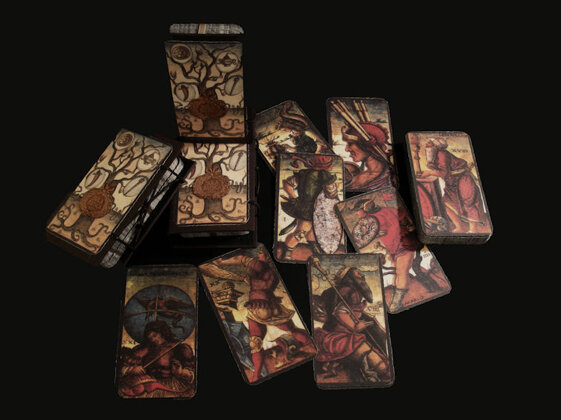
Tra i personaggi raffigurati ve ne sono alcuni di difficile identificazione, a causa anche di omonimie e probabili storpiature. I personaggi romani sono quelli legati alla congiura di Catilina e alle guerre civili, con una possibile allusione ad eventi di politica interna che oggi sono per noi difficili da precisare, almeno finche' non sarà effettuata un’indagine più approfondita sulle fonti classiche del Quattrocento e del Medioevo. I tarocchi classici sono codificati nel significato, mentre i Sola-Busca sono avvolti nel mistero, ricchi di potenza e fascino.
La Commedia dell'Arte Italiana
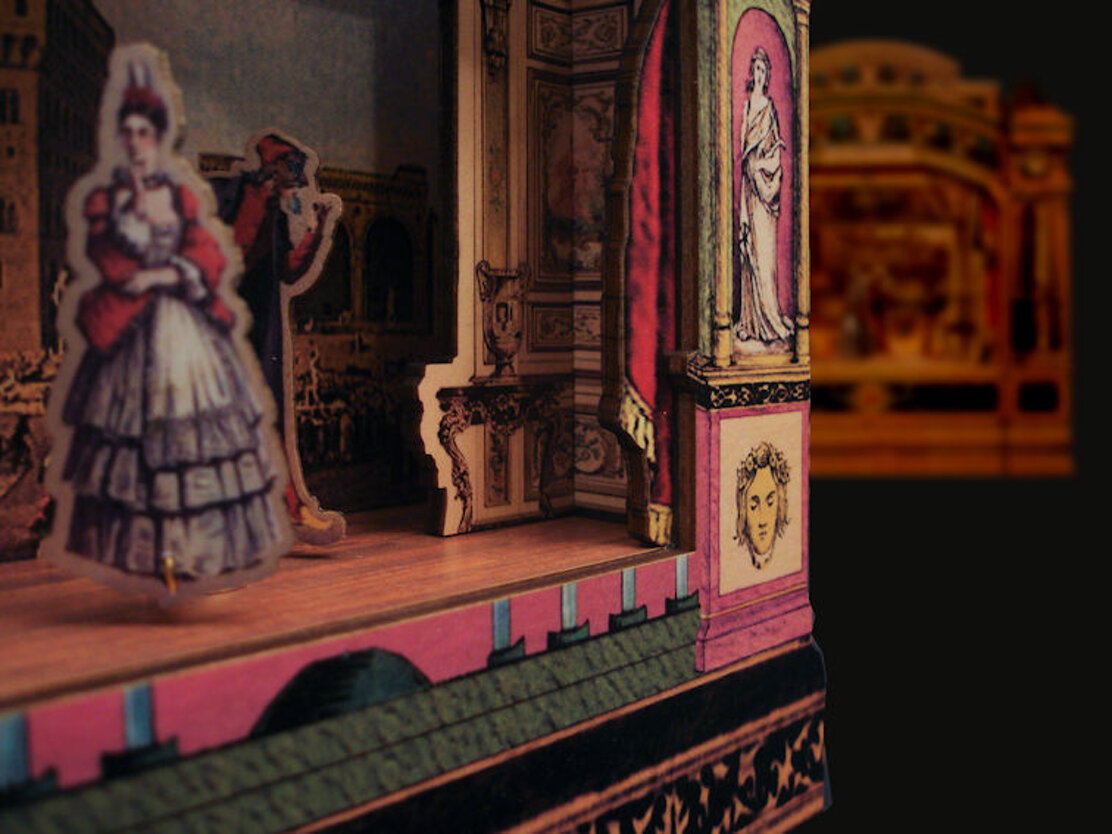
I personaggi dell'antico Teatro Italiano nato alla fine del 1500 rivivono in design antichizzati: Colombina e Pantalone i protagonisti, le maschere più antiche della Commedia dell' Arte. Nata nel 1500 tra Italia e Francia fu una delle forme di teatro più famose e in voga. Ci si serviva delle maschere e dei vestiti che rendevano riconoscibili a prim'occhio i personaggi, ognuno ben definito nel carattere e nei comportamenti, grazie ai quali i teatranti improvvisavano ogni spettacolo basandosi su un filone generico di storia.
Colombina è una cameriera di casa (collaboratrice familiare), bella, scaltra e maliziosa, che approfitta delle sue doti divertendosi a far impazzire Pantalone, il padrone.
Pantalone era il commerciante rude, burbero e conservatore, comicamente irascibile.
Insieme a loro troviamo Arlecchina, la versione più giovane compagna di Arlecchino, e Pulcinella, resiliente nel suo prendersi gioco dei padroni e dei potenti.
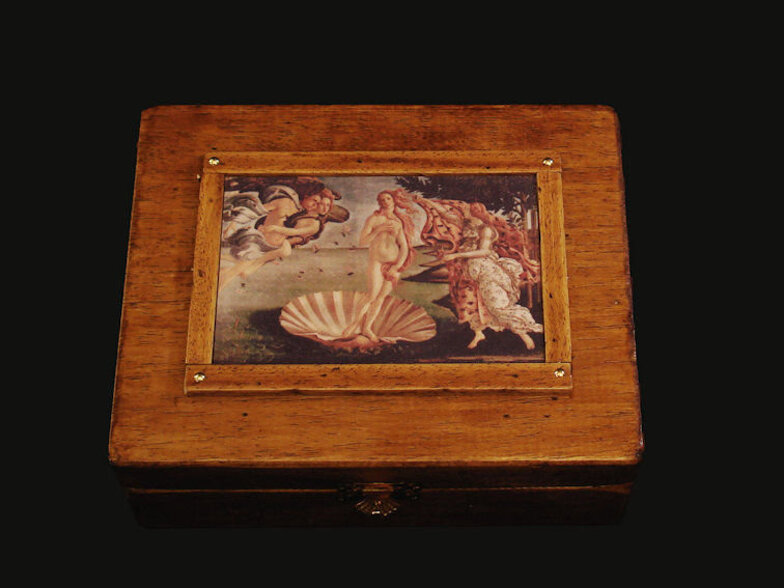
La Nascita di Venere
Celebre dipinto di Botticelli del 1485, quadro conservato nel museo degli Uffizi di Firenze.
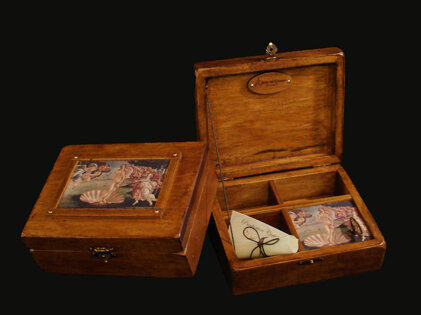
Questo soggetto e' riprodotto a stampa con colori naturali su particolare carta trattata, con durata di vita illimitata sul coperchio e l'interno del Music-box in legno invecchiato.
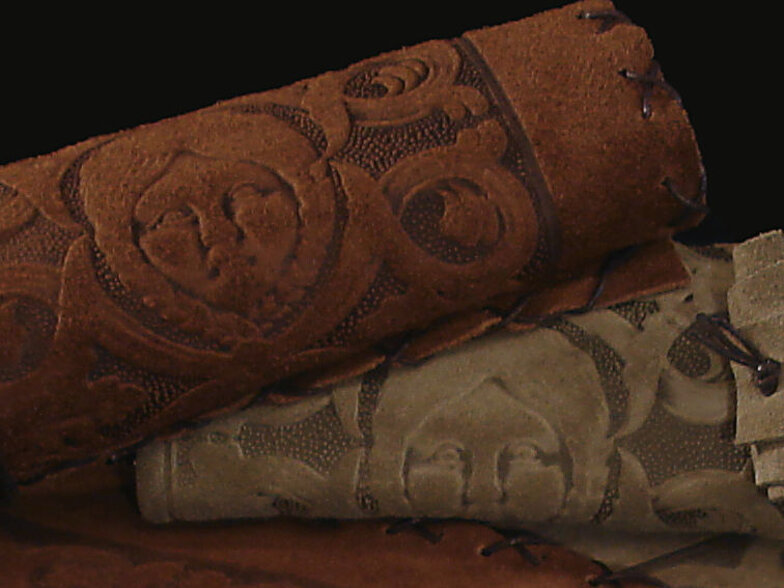
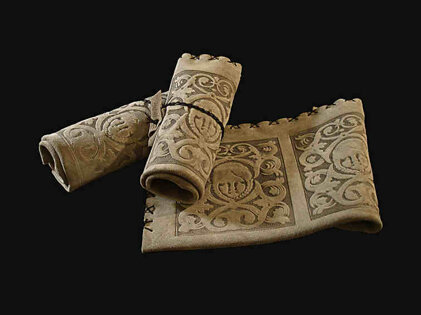
Il Baccus di Michelangelo
Questo bronzo utilizzato per imprimere il rilievo sulle pelli è stato battezzato Baccus perche' molto probabilmente l'autore si è ispirato ai bozzetti preparatori di Michelangelo per lo studio della statua "Il Bacco" conservata al Bargello. Articoli con Baccus: Portatabacco, Portamatite, Portapennelli, interno del Cofanetto Grafite.
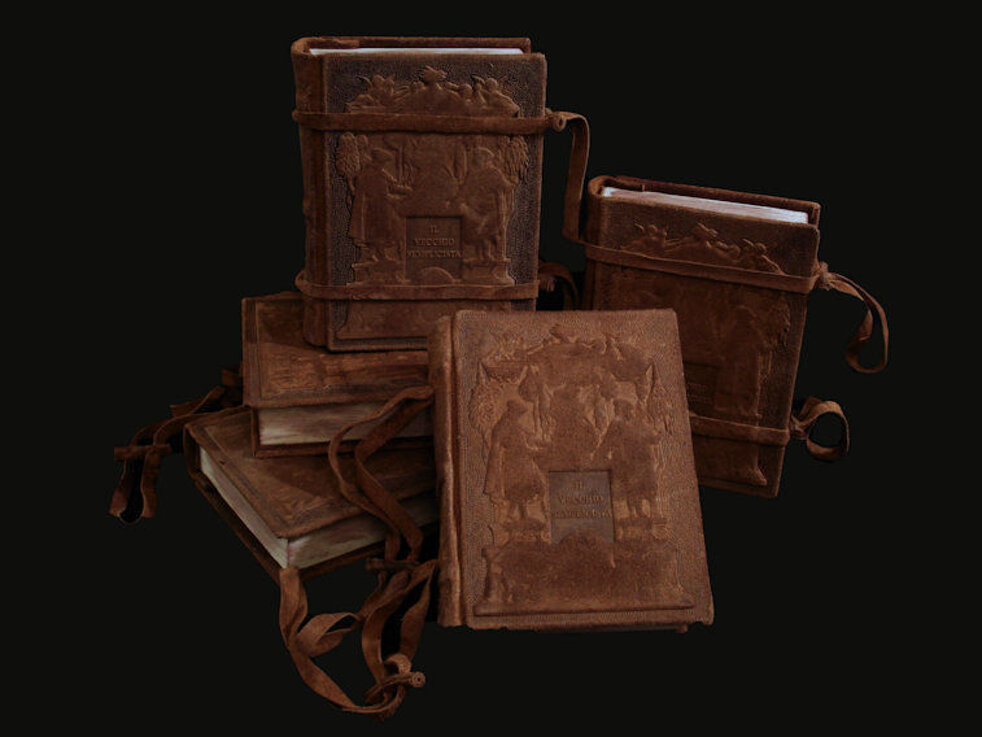
Frontespizio Ricettario Fiorentino
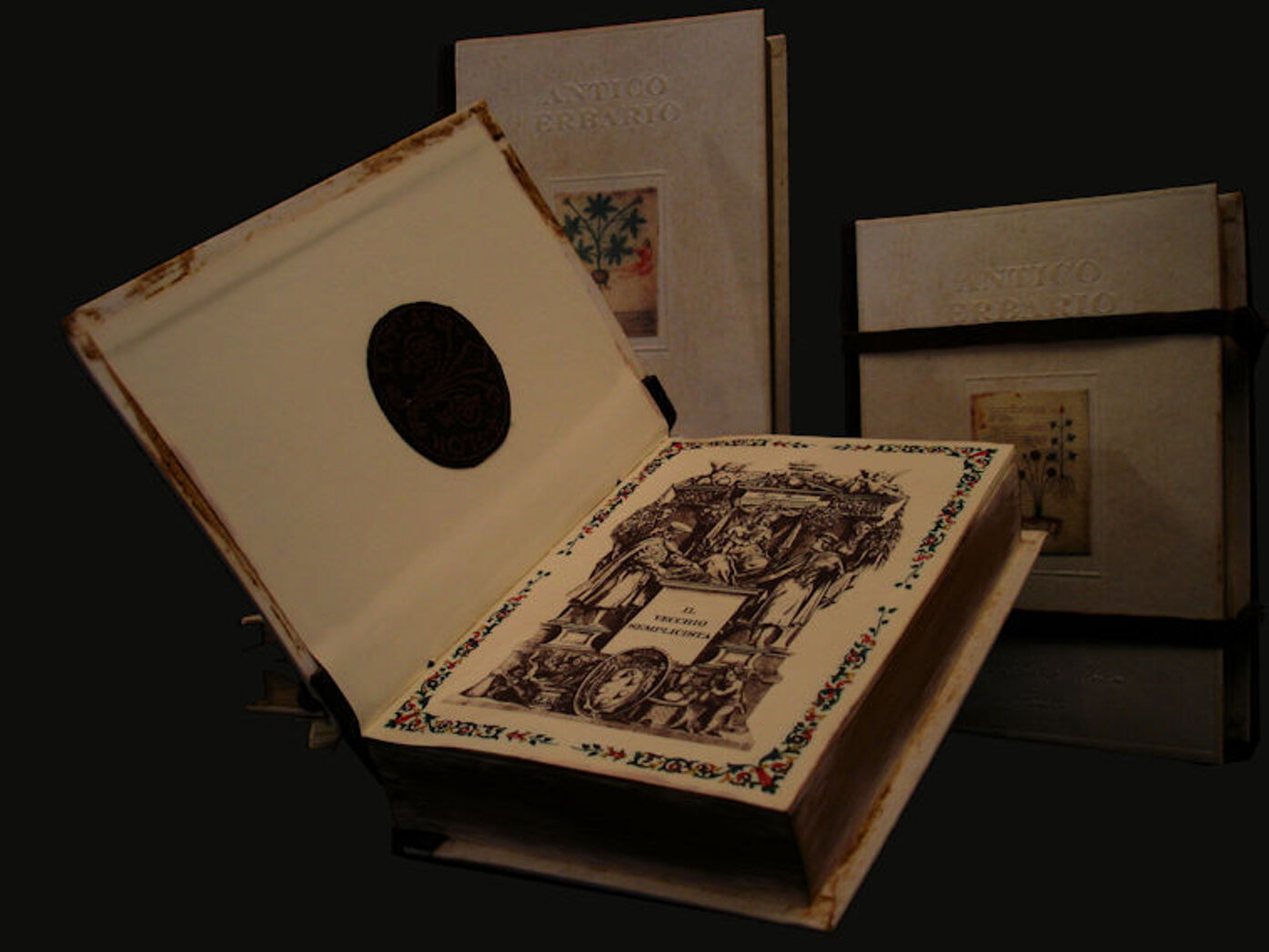
Questa affascinante immagine è il frontespizio del primo "Herbario Novo" del medico e botanico Castore Durante, risalente al 1585. Una sua riproduzione in china si trova anche all'interno del nostro Antico Erbario. Con il bronzo creiamo la copertina di alcuni Quaderni Rigidi con lacci di chiusura in stile antico e l'Erbario in Pelle.
Quaderno Ricettario
Quaderno Ricettario
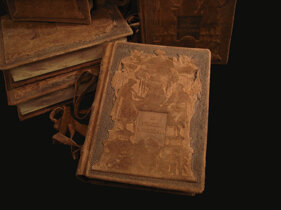
Erbario in Pelle
Erbario in Pelle
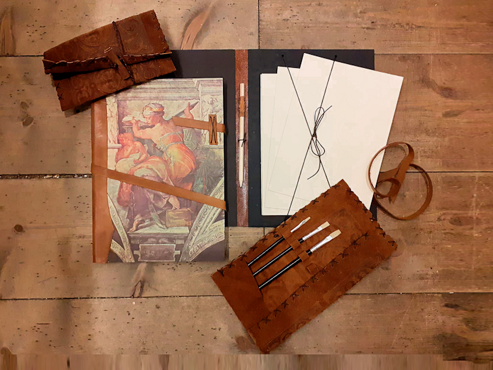
Scopri tutti gli oggetti con
le Immagini Storiche
Torna allo Shop On Line
La storia e le impronte delle civiltà di cui siamo figli restano vive e potenti nella memoria collettiva e nella forza della loro vitalità ancora giovane e attuale.
La missione di chi ama il proprio passato e ne trae identità è tramandare il ricordo e vivere della sua energia vitale sempre moderna.
Per la creazione dei nostri oggetti prendiamo spunto da Medioevo e Rinascimento di Firenze, i periodi più famosi che hanno cambiato per sempre il profilo della città e le sue tradizioni.
L'Arte de' Ciompi Artigianato di Firenze
HOME
E-SHOP
IDEE REGALO PER..
°
LABORATORIO
CHI SIAMO
CONTATTACI
°
L'ARTIGIANATO ITALIANO
COSA FARE A FIRENZE
COME LEGGERE I TAROCCHI
PINOCCHIO E FIRENZE
°
LAVORA CON NOI
SERVIZI E INFO
ANTICOVID
PAGAMENTI E SPEDIZIONI
CONDIZIONI DI VENDITA, RESI E PRIVACY
°
CERCA
SITEMAP
© 2020 L'Arte de' Ciompi di Susanna Capigatti - L' Arte de' Ciompi - Via de' Cerretani 18r - 50123 - Firenze - IT - p.iva 06925450485 - rea FI-666720
Tel: +39 339 8910460 - Mail: arteciompi@gmail.com - © L'Arte de' Ciompi 2020